


Indicadores
| Título del ítem | Sumario | Categorías | Creado | |
|---|---|---|---|---|
| Exclusive: Rabobanks Foodbytes launches more inclusive connection hub to solve todays top food, agriculture challenges |  “The hub is a continuation of what Foodbytes has always been,” which is a platform for connecting cutting-edge, promising startups in the food and agriculture space with corporates and investors that are looking to collaboratively solve for some of today’s most pressing industry challenges around sustainability and environmental, social and governance, said Nina Meijers, Platform Director, North America Head. But, she explained to FoodNavigator-USA, Foodbytes’ new format is “more accessible and can drive more impact on sustainability within the industry” because it is more inclusive, always available and uses additional tools such as a centralized dashboard with reports, insights and targeted lists as well as filters for easy searching and increased, more targeted exposure. “The ethos continues to be about connection,” but the hub builds on learnings from across Foodbytes’ evolution from a pitch competition that began in 2015 to a membership model years later to a digital education and networking platform during the pandemic, Meijers said. “In the past, Foodbytes was really this serendipitous place to come when it was a pitch competition, and it was about meeting the right people at the right time and if you were in that moment, and you had that alchemy, then you had a really valuable experience. But the goal was to scale that and scale that impact through an online forum,” she explained. Benefits for startupsFor startups, the hub still provides much-needed exposure to “dialed-in” potential partners, including business development experts, M&A ventures, and large corporates, by providing a platform where entrepreneurs can showcase their current technology, traction, fundraising stage, milestones, impact and other investment or collaborative opportunities, according to Foodbytes. Startups also will have a chance to be featured by the Foodbytes team, which has a strong track record of picking winners and offering validation that can fast-track growth. For example, Meijers said, Foodbytes will offer startups different badges, such as alumni for companies that have been through its mentorships and training programs, and a Foodbytes pick badge for new companies that the experts behind the platform believe are commercially viable for the food and ag industry and the bank’s corporate clients. Foodbytes also will offer startups access to a centralized dashboard with industry insights and “evolving capabilities” to help their growth, according to the program. Benefits for corporates, investorsWhile the hub offers startups significant benefits, where it really shines is as a tool for corporates and investors to more easily find partners and solutions to the biggest challenges they face in food and agriculture, Meijers said. She explained that Foodbytes worked with these groups to identify their most difficult pain points, which serve as the foundation for the platform’s filters and the insights it offers through a similar centralized dashboard as that targeting startups. “We’ve been able to ask our corporates and investors where are they are looking, what they are looking at, what are the sub-sectors where their teams are, who is interested in partnership and investing and we have built all of that into this platform,” Meijers said. Based on that, the new hub focuses more on agriculture, including around food waste reduction, emission reductions throughout the value chain and “of course, everyone’s favorite topic: future ingredients. Such as future protein, future fat, sugar and salt solutions and more around clean ingredient production as well,” said Meijers. (Check out the full list of pain points and investor interest areas.) She added the platform is focused on providing ESG and sustainability solutions, which in the past five years have become more pressing – prompting more companies to seek actionable solutions rather than ruminating on what could be as they did in the past. Through these filters, corporates and investors can save specific searches and track startups in those sectors and markets. They can also bookmark startups on a watchlist to track their progress, announcements, fundraising and other opportunities, according to Foodbytes. Finally, they also can create a profile through which they share challenges, investment possibilities and collaboration opportunities, Foodbytes notes. Access to the platform is free for startups, but annual subscriptions for investors and corporates starts at $10,000 for up to four users. In addition to these benefits, Foodbytes also will offer monthly trend forecasting, regular reports on sectors and themes and host a series of in-person networking events for the community’s users. How it compares to other platformsIn an era when specialized digital networking platforms are proliferating, Foodbytes sets its hub apart by giving startups a place to self-submit up-to-date information about their businesses and organize information so that it is forward looking. Existing platforms like CrunchBase and Pitchbook, while valuable, rely on scraped data and are organized backwards, which can make it difficult for investors to identify opportunities with enough time to seize them, said Meijers. Meijers added that Foodbytes also is unique because it taps into Rabobank’s extensive food and agriculture knowledge and because it knows what the bank’s clients are seeking it is better able to curate and callout startups that meet their needs. Foodbytes’ new hub also is designed to evolve continuously alongside the needs of its users, Meijers added. A new look for a more mature platformAlongside the rollout of the new hub, is a new look for Foodbytes that better illustrates its goal of “seeding and growing” the food and ag sectors sustainably. Gone is the flashy red and white logo (and exclamation point at the end of Foodbytes) that were originally designed to reflect and magnify the energy in the startup community eight years ago. In its place is a leafy green icon and colorway that better reflects the platform’s agricultural roots and its goal of fostering sustainable growth, said Katie Myers, Foodbytes brand director. She explained the new look includes in the ‘o’s of Foodbytes two side-by-side circles with a small grain in the first and a larger grain in the second, which together represent the process of startup seeding a new idea, which when fostered by corporate partners can grow through shared trust and Rabobank’s support. “As we’ve grown and evolved over the last eight years, I think you can see sort of a maturity and a freshness to the new look” that also speaks to the company’s heritage and focus on connection, collaboration and sustainability. |
Mundial | Mercados | Intersectorial | Miércoles, 08 Febrero 2023 | |
| USDA Expands Trade and Food Security in 2022 | [unable to retrieve full-text content] |
EEUU | Seguridad alimentaria | Mercados | Intersectorial | Lunes, 06 Febrero 2023 | |
| South Korea: 2023 Korea's Adjustment and Quota Tariffs Schedule |  On December 27, 2023, Korea issued its flexible tariffs (Adjustment and Tariff Rate Quota) list for certain agricultural, forestry and fishery products for calendar year (CY) 2023. Flexible tariffs, which cover tariff rate quotas (TRQs) and adjustment duties, are utilized by the Korean government to stabilize consumer prices and balance supply and demand. Korea’s 2023 tariff adjustments were relatively unchanged from the previous year. However, Korea has expanded TRQ’s for certain agricultural commodities and increased in-quota volumes. |
Corea del Sur | Legislación y normativa | Mercados | Intersectorial | Jueves, 02 Febrero 2023 | |
| Going green: Adapting machinery for sustainable packaging | Packaging is going ‘green’ - and has been heading that way for a long time. Be it calls for manufacturers to watch their carbon footprint or consumers demanding their food packaging is more recyclable, the pressure to confirm with this growing trend is high. But not every machine in the packing hall can handle these greener materials – you can’t just throw a paperboard pot in a machine meant for plastic punnets and expect the same results. As Torsten Giese, marketing manager at Ishida, points out, there is no ‘one-size fits all’ sustainable packaging solution and there are many different criteria to consider. 
A key sustainable consideration for the food sector is the need to minimise unnecessary waste, a need that is being met by new pack styles that reduce the amount of materials used while also incorporating more recycled content – developments in films within vertical form, fill and seal machines have also seen this shift. With this in mind, Ishida has developed its equipment to meet the needs of these new materials and formats. “Our latest tray sealer, for example, offers a variety of consistently high-quality sealing options – seal only, gas flushing, MAP and skinpack – across a wide variety of tray designs and materials, including plastic, board, and recyclable and innovative paper film formats to support the use of sustainable packaging,” Giese explained. “Our new Inspira Box Motion bagmaker meanwhile, can operate in both continuous and intermittent motion modes. This enables it to handle the widest variety of both product and pack formats, including the introduction of recyclable film and paper packs, while maintaining excellent seal quality and integrity.” Packaging machinery also plays a vital role in preventing waste caused by unnecessary recalls – if a pack is not sealed properly, it can lead to food deteriorating before it reaches the retail shelf. Contaminants in the pack will lead to food being rejected by the consumer. In the worst-case scenarios, such problems could result in a complete product recall. “Food spoilage is also not the only quality issue when it comes to waste,” Giese continued. “A pack with missing items, for example five biscuits where there ought to be six, may be returned by the consumer. “Packs containing deformed product, such as a beef burger that has not been shaped properly, also run the risk of being rejected. Inconsistencies in a pack – being underweight or not containing the ingredients in the ratio expected – can similarly lead to complaints and returns. “Investing in the appropriate packaging equipment is therefore critical, both to prevent these problems from occurring in the first place and to minimise their impact if they do.” Handling multiple formatsFor food manufacturers, it is essential that any new pack formats remain functional and fit-for-purpose and do not compromise on protection or shelf-life while delivering sustainability benefits. Equally important is that these new formats can be handled as effectively as before on their tray sealing machines. Proseal UK key accounts manager, Daryl Henshaw, said: “To meet these requirements, we continue to work closely with our customers and tray and film suppliers to stay ahead of the demand from legislators, retailers and consumers for environmentally friendly packaging. “As the move towards alternative materials to plastic has continued to gather pace, we have worked closely with many manufacturers, such as Halopack, Huhtamaki, and RAP to ensure that any plastic alternative solution is still capable of being quickly and effectively sealed on our machines.” Proseal’s solution has been to make sure its machines can adapt to multiple formats to allow packers to switch more easily with no modifications and without additional and costly investment. Manufacturers can ‘plug-and-play’ these different materials into their existing Proseal machines. “Another way in which to reduce the environmental impact of any packaging is through a reduction in material usage,” Henshaw continued. “The adoption of top sealing instead of clamshell and clip-on lids in the soft fruit sector, for example, reduces packaging materials by as much as 45%. “This equates to a saving of 10 tonnes of plastic for every one million trays that are top sealed. Similarly, we can assist tray manufacturers in the development of lighter weight trays that still have the strength and robustness to produce tight, high-quality seals in our tray sealers.” Labour shortages
While the need avoid waste has been a key driver in packaging machinery development, one issue that continues to hamper food and drink businesses is the access to labour – both skilled and unskilled. Hugo Beck managing director ,Timo Kollmann, argued that automation could help counter staff and skills shortages, not the mention further challenges of rising energy costs, trade restrictions and supply chain delays. “This is why packaging machinery providers like Hugo Beck are helping safeguard food businesses by automating their packaging lines and reducing downtime,” he explained. “Standard solutions are often insufficient to meet the demands of the fast-paced, sustainably inclined sector. Processing speed, automation and tracking options must therefore also be considered when assessing the suitability of a packaging system and developing a tailored approach is often the best option.” Kollmann offered Hugo Beck’s flexo 500 as a prime example of the desired flexibility packaging machinery needs to have in order to keep up with the ever changing demands of manufacturers – a flexible all-rounder capable of handling multiple food applications. High efficiency is achieved thanks to ‘fast and simple’ film exchange, with the machine capable of processing the diverse film thickness and film. In addition, these machines offer maximum serviceability and maintainability with numerous maintenance-free components and user-friendly access, eliminating costly operational downtime. Kollmann added: “Flexibility is no longer a luxury but a necessity in the packaging industry, and so machines need to be able to process a variety of materials, reduce wastage and energy, all whilst maintaining high functionality and efficiency. “Choosing automated machine equipment which can be easily modified ensures that manufacturers can switch between packaging options freely and continue to meet the ever-changing industry regulations and consumer trends, whilst mitigating the impacts of labour constraints.” As labour shortages continue to be a major issue across the food and drink industry, manufacturers need to look for every opportunity they can to boost efficiencies to make up for the lack of hired hands on the shop floor. Processing and packaging machinery supplier TNA designed its latest pair of systems – the Robag 3e and auto-splice 3 – with this in mind, focusing on how to make them simpler to service to reduce downtime and the need for multiple skilled engineers on site. 
Outside of advances that allow the systems to communicate with existing lines with relative ease, this latest Robag is said to reduce cabling infrastructure by 20%, enabling easier servicing and lower total installed costs. The TNA Robag 3e also shares common core components with the TNA Roflo distribution conveyors and the TNA intelli-flav seasoning system, lowering the need for additional spare parts stocking, while its smart diagnostics and remote connectivity allow real-time communication for faster global servicing support. “As well as providing the opportunity to switch quickly and easily between pack sizes, it delivers maximum production and energy savings for the same power and resources,” said a TNA spokesman. “The system’s superior design results in product waste levels as low as 0.1%, offering a more efficient, sustainable packaging operation. “Designed for seamless cohesion with the Robag 3e, the auto-splice 3 is a unique, compact solution that splices packaging film automatically, with no downtime or interruption to the packaging process. The new and unique rotary reel swapping feature makes it easier to access and replace the film roll without having to stop the packaging system, helping manufacturers maximise throughput and achieve faster, smoother film changeovers.” Labelling on the flyWhen it comes to new product development, as well as the need to reformulate products to meet constantly evolving industry standards, manufacturers will often be forced to rapidly change the recipes of the food they produce. But in a world where printing the wrong ingredients on a label can lead to costly recalls, innovative producers need to have the ability to adapt packaging to reflect these changes. 
One such producer, premium pet food brand Hug Pet Food, was faced with this problem when looking for a packaging solution. The recipes behind its dog and cat food are constantly changing and they needed the labels to be able to adapt to that. What’s more, it needed packaging that not only met its sustainability needs, but also its gourmet image. Packaging and machinery supplier Colpac’s solution was to work smarter, not harder – since the selected 750ml and 1000ml Stagione pots had the same sized top, only one size tool for sealing the products was required. The ColSeal SL1200 was the machine of choice for Hug, featuring adjustable tooling – should the need require – and integrated functionality, including an inkjet coding printer and a conveyor unit. The result both met the premium pet food producer’s high quality and sustainable objectives, while responding to demands for flexibility, catering to the evolving ingredients of the company’s product range. Against a landscape of ever changing regulations and shifting consumer preferences, packaging machinery needs to be just as adaptable as the rest of the food and drink industry. For every regulation forcing manufacturers to reformulate their products there will be an innovation in packaging technology that will require new packaging methods to compensate for it. One size won’t fit all and manufacturers will need to be ready to change how their products are packed at a moment’s notice and the providers seem well in hand to offer that support. |
Reino Unido | Mercados | Proveedores | Intersectorial | Miércoles, 01 Febrero 2023 | |
| Données sur le commerce agroalimentaire européen en octobre 2022 | La Commission a publié le dernier rapport mensuel sur le commerce agroalimentaire, qui montre que les flux commerciaux mensuels de produits agricoles et alimentaires de l'UE ont atteint une valeur record de 36,5 milliards d'euros en octobre 2022. La part des importations agroalimentaires de l'UE a augmenté, atteignant 15,7 milliards d'euros le même mois. Bien qu'elles connaissent une légère baisse mensuelle, les exportations agroalimentaires de l'UE restent élevées, avec une valeur de 20,7 milliards d'euros. Dans l'ensemble, et malgré l'augmentation des importations, la balance commerciale de l'UE reste positive à 5 milliards d'euros. Le Brésil et l'Ukraine sont les deux premiers pays pour les importations agroalimentaires de l'UE. Les importations en provenance du Brésil ont diminué de 17 % en octobre 2022 par rapport au mois précédent. Les importations en provenance d'Ukraine ont augmenté de 25 % ce mois-ci, les importations de maïs, d'huile de tournesol, de graines de tournesol et de colza représentant 70 % des importations de l'UE. En valeur, les exportations agroalimentaires de l'UE ont diminué de 1,2 % d'un mois à l'autre. La baisse des exportations de l'UE est principalement due à une baisse des exportations de spiritueux et de liqueurs ainsi que du fromage et du caillé. Malgré cette baisse mensuelle, les exportations agroalimentaires de l'UE vers les États-Unis et le Royaume-Uni n'ont jamais été plus élevées. Il y a eu une augmentation de 3 % des exportations de produits vers la Chine en octobre, dont une augmentation de 16 % pour le porc et une augmentation de 8 % pour les abats de porc. 
31 janvier 2023/ Commission européenne/ Union Européenne. |
Mundial | Mercados | Intersectorial | Martes, 31 Enero 2023 | |
| Cresce il commercio estero extra UE | Con un aumento del 14% è record storico per l’export agroalimentare italiano fuori dall’Unione Europea dove ha raggiunto il valore di 26 miliardi nel 2022, pari a oltre il 43% del totale delle esportazioni. È quanto emerge dalle stime della Coldiretti nel commentare i dati Istat sul commercio estero Extra UE relativi al mese di dicembre. “A spingere il Made in Italy sulle tavole fuori dai confini comunitari è la forte domanda degli Stati Uniti in salita del 20% mentre,” sottolinea la Coldiretti, “si registrano risultati positivi anche nel Regno Unito con un +18% che evidenzia come l’export tricolore si sia rivelato più forte della Brexit, dopo le difficoltà iniziali legate all’uscita dalla UE. Balzo a doppia cifra anche nella Turchia di Erdogan (+23%) mentre è dato negativo in Cina con un calo del 20% e in Russia con un -5% fra sanzioni, guerra e pandemia Covid”. L’export alimentare è trainato dai prodotti simbolo della Dieta Mediterranea come vino, pasta e ortofrutta che salgono sul podio dei prodotti italiani più venduti all’estero. Il successo dei prodotti della Dieta Mediterranea all’estero confermano l’alto gradimento per la cucina italiana che si è classificata come migliore dieta al mondo del 2023 davanti alla dash e alla flexariana secondo il best diets ranking elaborato dal media statunitense U.S. News & World’s Report’s, noto a livello globale per la redazione di classifiche e consigli per i consumatori. “Ma è sotto attacco,” continua la Coldiretti, “del moltiplicarsi delle imitazioni sui mercati esteri, dal parmesan alle mitazioni di Provolone, Gorgonzola, Pecorino Romano, Asiago o Fontina mentre tra i salumi sono clonati i più prestigiosi, dal Parma al San Daniele, ma anche la mortadella Bologna o il salame cacciatore e gli extravergine di oliva o le conserve come il pomodoro San Marzano”. C’è anche il rischio di un nuovo protezionismo alimentato da etichette ingannevoli come quelle a colori, un sistema di etichettatura fuorviante, discriminatorio ed incompleto che finisce paradossalmente per escludere dalla dieta alimenti sani e naturali che da secoli sono presenti sulle tavole per favorire prodotti artificiali di cui in alcuni casi non è nota neanche la ricetta. I sistemi allarmistici di etichettatura a semaforo si concentrano esclusivamente su un numero molto limitato di sostanze nutritive (ad esempio zucchero, grassi e sale) e sull’assunzione di energia senza tenere conto delle porzioni, escludendo paradossalmente dalla dieta ben l’85% in valore del Made in Italy a denominazione di origine. “Per sostenere il trend di crescita dell’enogastronomia nazionale serve ora agire sui ritardi strutturali dell’Italia e sbloccare tutte le infrastrutture che migliorerebbero i collegamenti tra Sud e Nord del Paese, ma anche con il resto del mondo per via marittima e ferroviaria in alta velocità, con una rete di snodi composta da aeroporti, treni e cargo,” afferma il Presidente della Coldiretti Ettore Prandini nel sottolineare l’importanza di cogliere l’opportunità del PNRR per modernizzare la logistica nazionale che ogni anno rappresenta per il nostro Paese un danno in termini di minor opportunità di export. Ma è importante lavorare anche sull’internazionalizzazione per sostenere le imprese che vogliono conquistare nuovi mercati e rafforzare quelli consolidati valorizzando il ruolo strategico dell’Ice con il sostegno delle ambasciate.
Fonte: coldiretti.it  |
Italia | Mercados | Intersectorial | Lunes, 30 Enero 2023 | |
| What consumers want in 2023 |  CHICAGO — Consumer trends often evolve at what may be perceived as a glacial pace. Four trends seen to be emerging less than a decade ago — transparency, sustainability, nutrient density and cognitive health — now are becoming rooted in many consumers' path to purchase, according to speakers at a Jan. 25 conference hosted by The Hatchery Chicago, an incubator that supports food and beverage entrepreneurs. “Clear, straightforward communication is essential to connect with consumers and to educate them on the values of products,” said Lynn Dornblaser, director of innovation and insight for Mintel, Chicago. This approach to transparency is particularly appreciated by younger consumers who want to be more informed about their food. It makes them feel as if they are involved, said Ms. Dornblaser. Younger consumers especially are interested in messaging around sustainability, said Joan Driggs, vice president of content and thought leadership for IRI, Chicago. A survey conducted by IRI in June 2022 showed that 35% of Gen Z and millennial consumers have “tried more sustainable food or beverage brands previously never purchased.” That number drops to 24% for older generations. “Sustainably marketed products have grown share every year and accounted for 17% of total CPG sales in 2021,” Ms. Driggs said. “Younger consumers are pushing for more sustainability. Millennials purchased a significantly higher percentage of sustainably marketed products in carbonated beverages, cookies, frozen dinners, pet food and weight control.” A survey conducted by Morning Consult, which found sustainability is higher on the list of priorities for younger consumers, supports IRI’s findings. Specifically, the survey found more than two-thirds of Gen Z respondents said sustainability has at least some impact on their food and beverage choices, including 32% who said it has a major impact. Ms. Dornblaser discussed three of Mintel’s leading food and drink trends fueling innovation in 2023. First was “savvy sustenance,” which focuses on nutrient density and, she said, is being fueled by Gen Z. “Brands will need to make basic nutrition and satiety messaging clear to help consumers stay in control of grocery budgets while easily nourishing themselves,” she said. “Industries also will work toward protecting the nutrition of future generations by devoting resources to improve soil health, water stewardship and climate change.” “Staying sharp” was the next trend. “Companies can help consumers optimize their mental performance at work, at home and at play,” Ms. Dornblaser said. “Nutrition will be a valued tool for cognitive health management that helps power people in their jobs, hobbies and leisure time. Consumers will look for foods and drinks that influence cognitive capacity, manage stress levels and optimize brain function.” She provided guidance on how this may be applied to product innovation. For maintaining focus, promote sustained energy benefits. For digestive well-being, talk about fiber content. For emotional well-being, focus on flavor and experience. “Long-term acceptance of focus and productivity formulations that are marketed with terms such as ‘adaptogens’ and ‘nootropics’ will require research into these now-niche cognitive health ingredients, yet they are beginning to appear in the marketplace,” Ms. Dornblaser said. Market research by The NPD Group, Chicago, also found consumers have become increasingly focused on the role food plays in their mental health. Ms. Dornblaser concluded by identifying the third trend — unguilty pleasures. Today’s post-pandemic consumers enjoy the freedom to indulge and treat themselves. This trend is being fueled by Gen Z, the demographic who missed out on so many milestone events the past three years, said Ms. Dornblaser. “Gen Z will eat dessert before dinner,” she said. “Often, pleasurable food and drink are marketed as being naughty, guilty or frivolous. This approach can be alienating for consumers — even those who adhere to healthy diets — who need some well-earned, guilt-free respites.” She said product developers should focus on flavor and experience. It’s about “small treats” or easily portioned products to allow consumers to indulge. “A delayed moment of gratification can enhance the consumption experience, with flavors that build or change over time or are unknown until consumed,” Ms. Dornblaser said. |
EEUU | Intersectorial | Clientes | Lunes, 30 Enero 2023 | |
| Ficha país México 2023 |

Fichas País/Mercado de México, elaborada por INTERPORC, con el siguiente contenido:
CONTENIDO DE LAS FICHAS DE MERCADOS
· Acceso al mercado y oportunidades para el sector porcino español y principales ferias sectoriales · Caracterización del país/mercado · Producción, consumo y autoabastecimiento de carne y productos del porcino · Evolución del censo porcino · Balance de autoabastecimiento · Importaciones de carne y productos del porcino · Principales proveedores de carne y productos del porcino · Tipologías de productos importados · Principales proveedores por tipología de productos importados · Exportaciones españolas al país/mercado · Estructura de las exportaciones españolas por productos al país/mercado · Evolución de las exportaciones españolas –Productos Frescos y Productos Elaborados- · Principales ferias sectoriales
ACCESO AL MERCADO Y OPORTUNIDADES PARA EL SECTOR PORCINO
|
México | Estudios de mercado | Mercados | Intersectorial | Domingo, 29 Enero 2023 | |
| New Rules Govern Organic Food in the U.S. |
A major upgrade to USDA rules applies to domestic organic products and organic food imports. 
California vineyards By Paolo DeAndreis Jan. 30, 2023 15:23 UTC The U.S. Department of Agriculture (USDA) has recently released a significant update to organic sector regulations. The new rule, Strengthening Organic Enforcement (SOE), will apply to domestic organic food production and organic food imports. It will come into effect on March 20th and require all affected businesses to comply within one year. The new provisions will impact certified organic companies or those producing, trading or selling organic food. The rules will also affect USDA-accredited agents and inspectors. According to USDA, “SOE protects organic integrity and bolsters farmer and consumer confidence in the USDA organic seal by supporting strong organic control systems, improving farm-to-market traceability, increasing import oversight authority, and providing robust enforcement of the organic regulations.” See Also:Olive Oil Business NewsDeemed the most relevant update to the sector since the Organic Foods Production Act in 1990, the new regulation will require organic food companies to gather a standard organic certification for each involved actor within the production chain. Companies will also have to provide additional data associated with their certified organic operations more frequently than in the past. SOE requires more rigorous on-site inspections of certified operations, including complete mass-balance audits and traceability verifications. USDA agents must conduct unannounced inspections on at least five percent of the operations they certify. New training and qualifications will be applied to organic inspectors and licensing personnel. According to USDA, SOE will allow for more robust record-keeping, traceability practices, and fraud prevention procedures. In addition, SOE will require the evaluation of foreign governments’ organic programs to ensure that organic food imports comply with U.S. trade arrangements and agreements. Import certificates will now be required for all organic imports. “This change expands the use of National Organic Program (NOP) Import Certificates to all organic products imported into the United States, improving the oversight and traceability of imported organic products,” USDA stated in introducing the new rules. The latest USDA data shows that in 2018, organic olive oil made up approximately one-tenth of all U.S. olive oil imports. According to International Olive Council data, the U.S. imported almost 400 thousand tons of olive oil last season. Last December, USDA’s National Agricultural Statistics Service (NASS) released its 2021 Organic Survey, which shows a 13 percent growth in organic product sales in the United States between 2019 and 2021, with a 5 percent increase in the number of domestic organic farms. Related Articles |
EEUU | Producción | Mercados | Legislación y normativa | Intersectorial | Aceite | Domingo, 29 Enero 2023 | |
| The 2022 Tomato News Conference: EU policies and challenges for tomato processors |
Transcript of the presentation by Manuel Vazquez (CONESA) during the 2022 Tomato News Conference held in Parma on 25 October 2022
Today, I will be talking about the Green Deal and how it will impact our sector, our industry and our farmers. 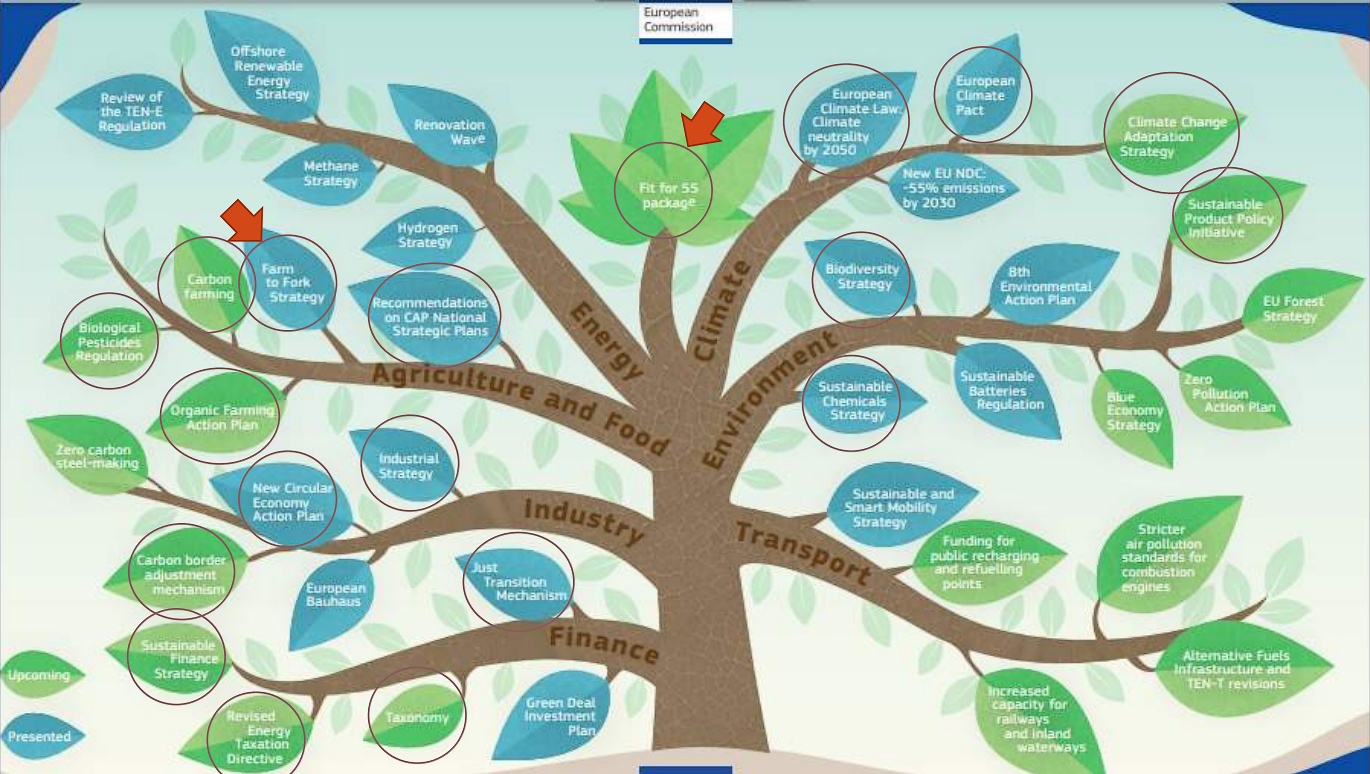
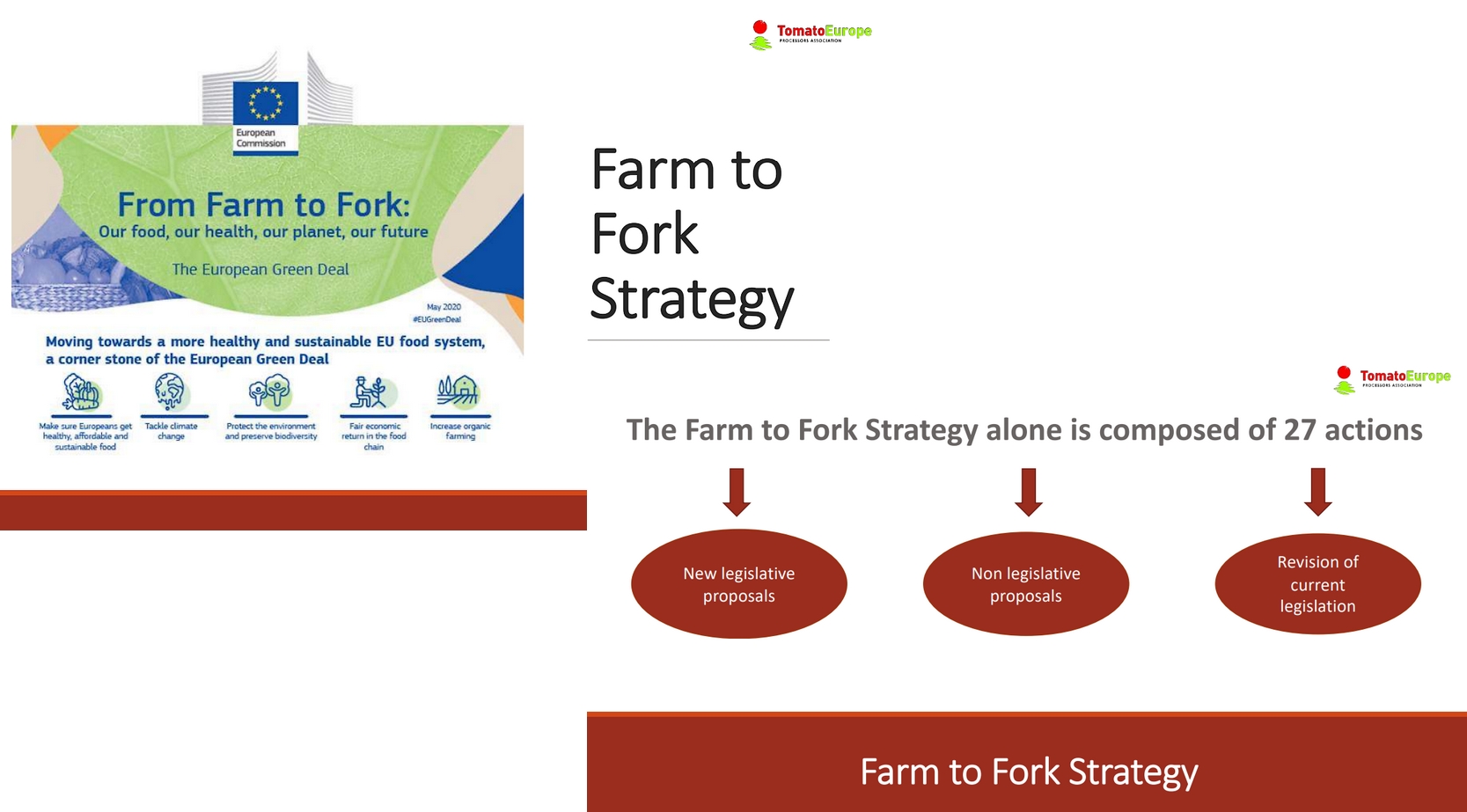
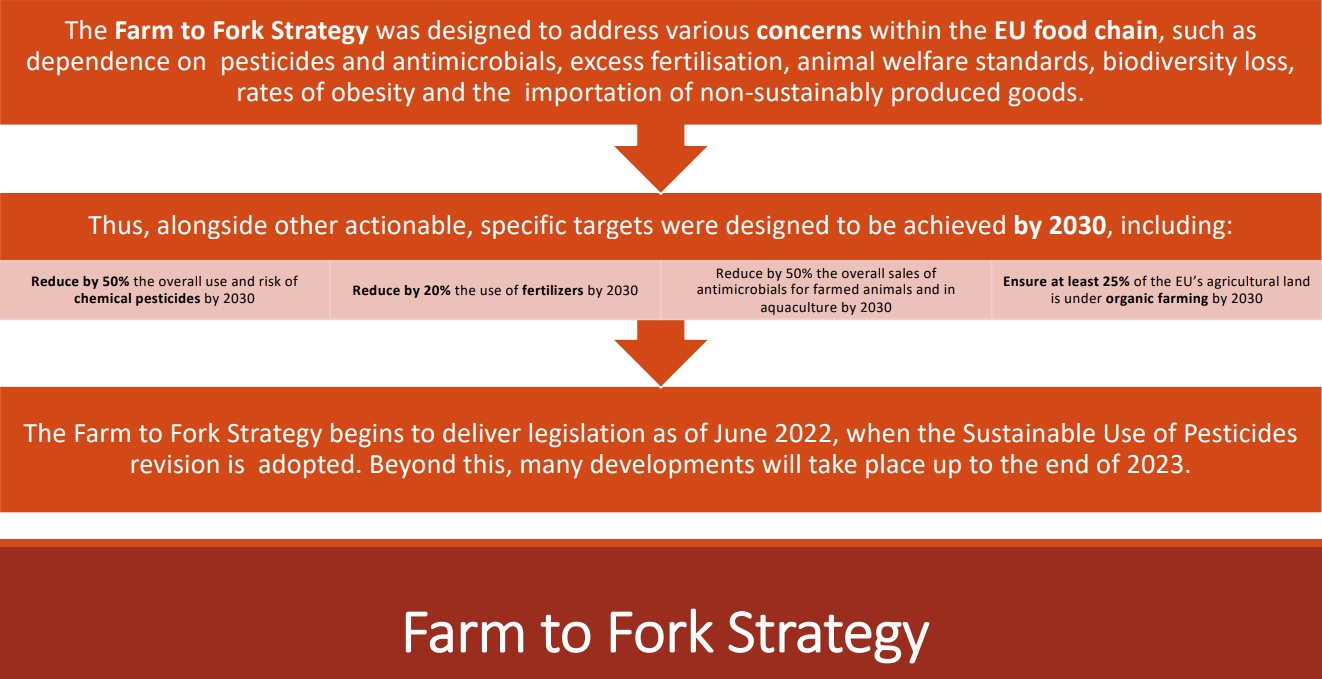
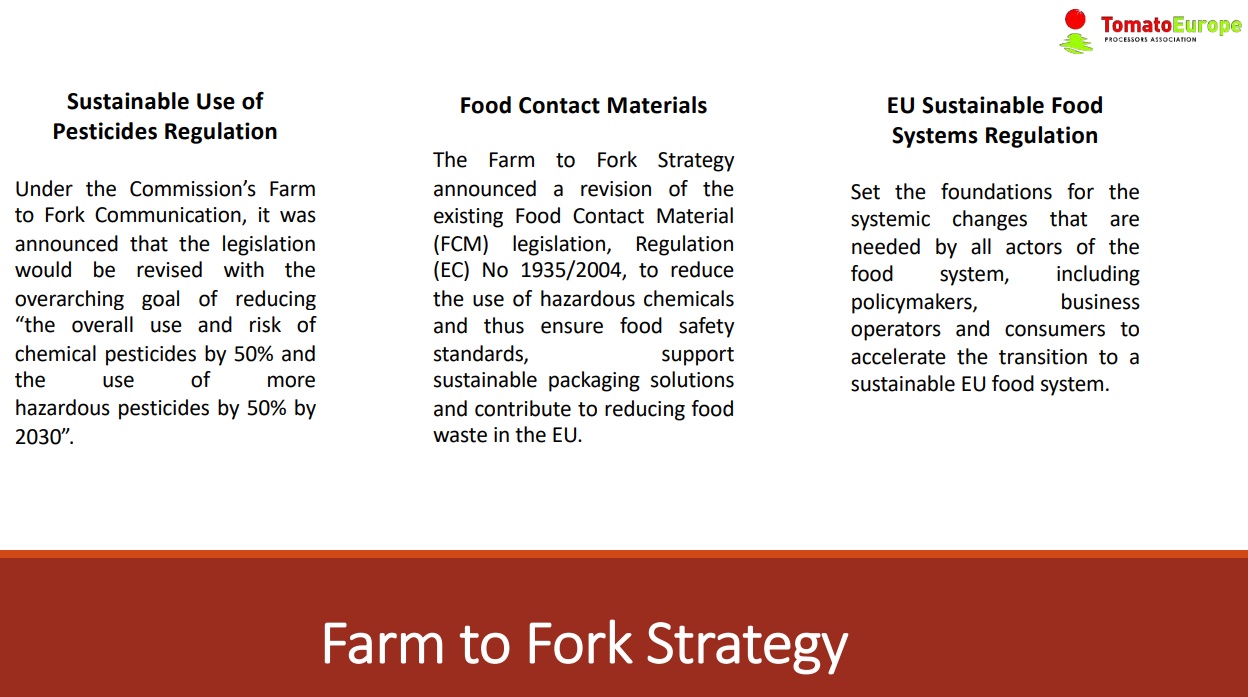
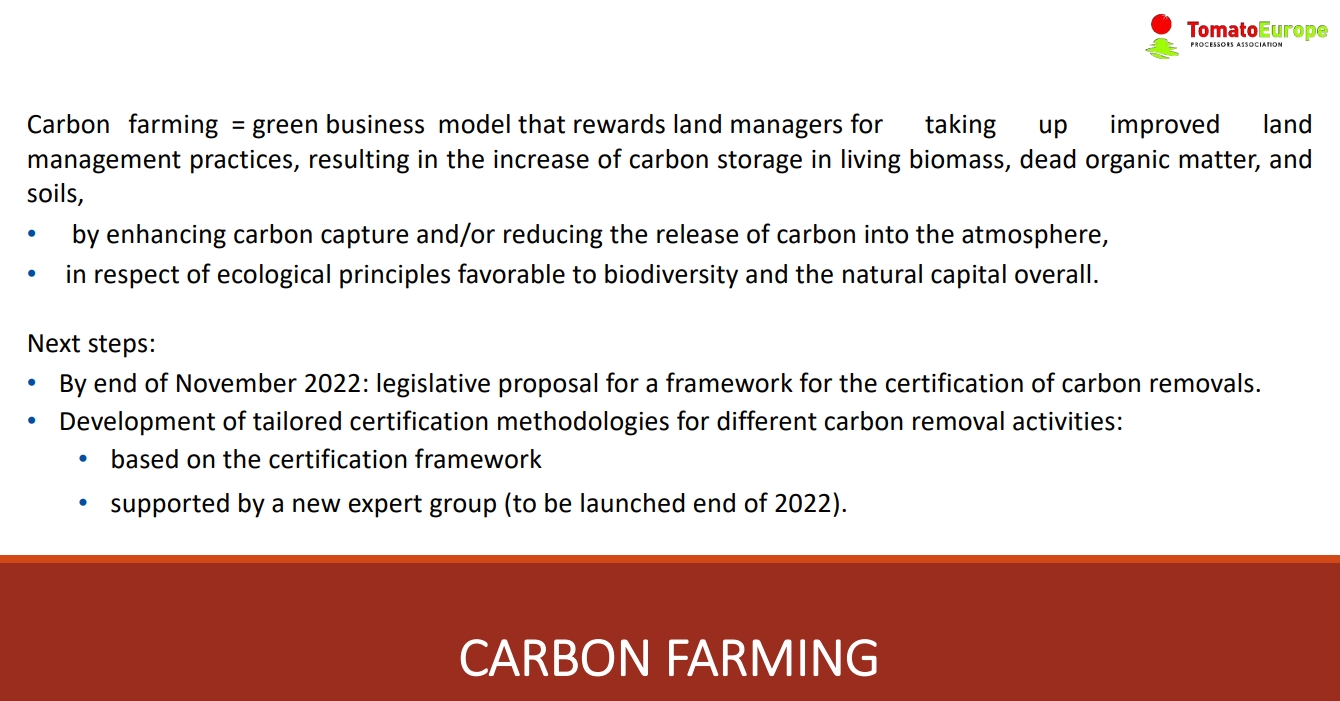
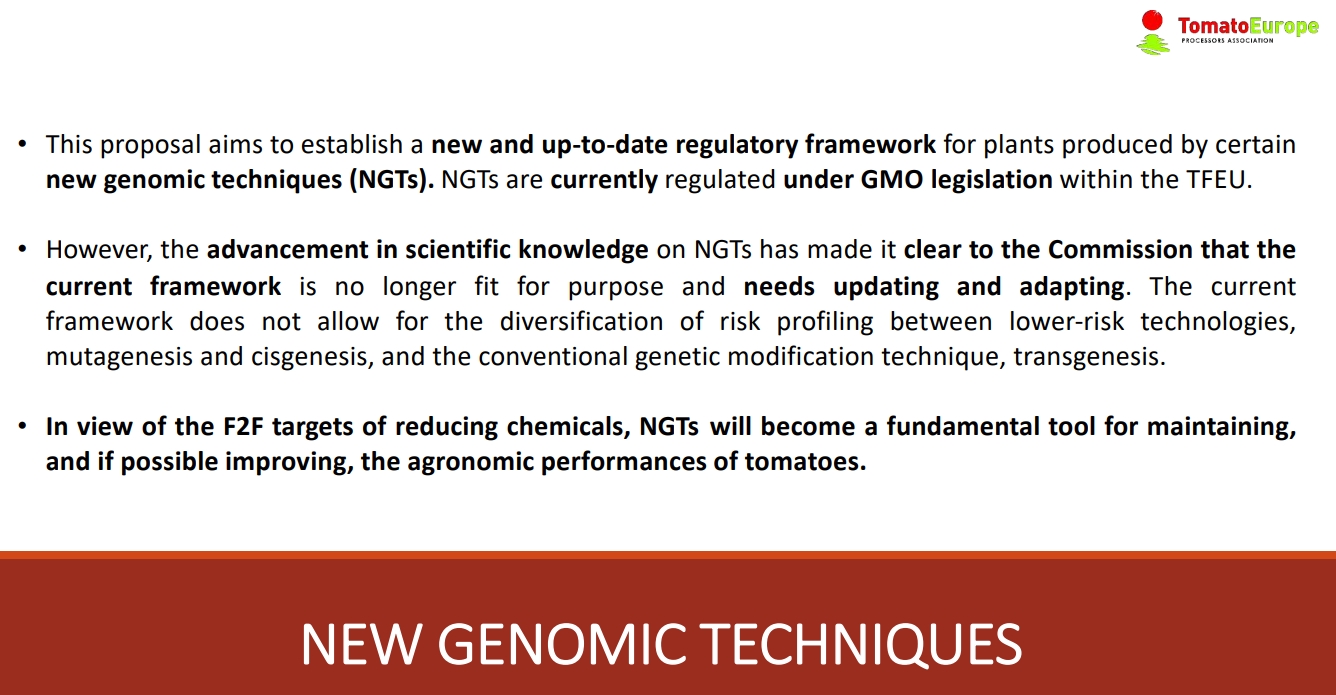
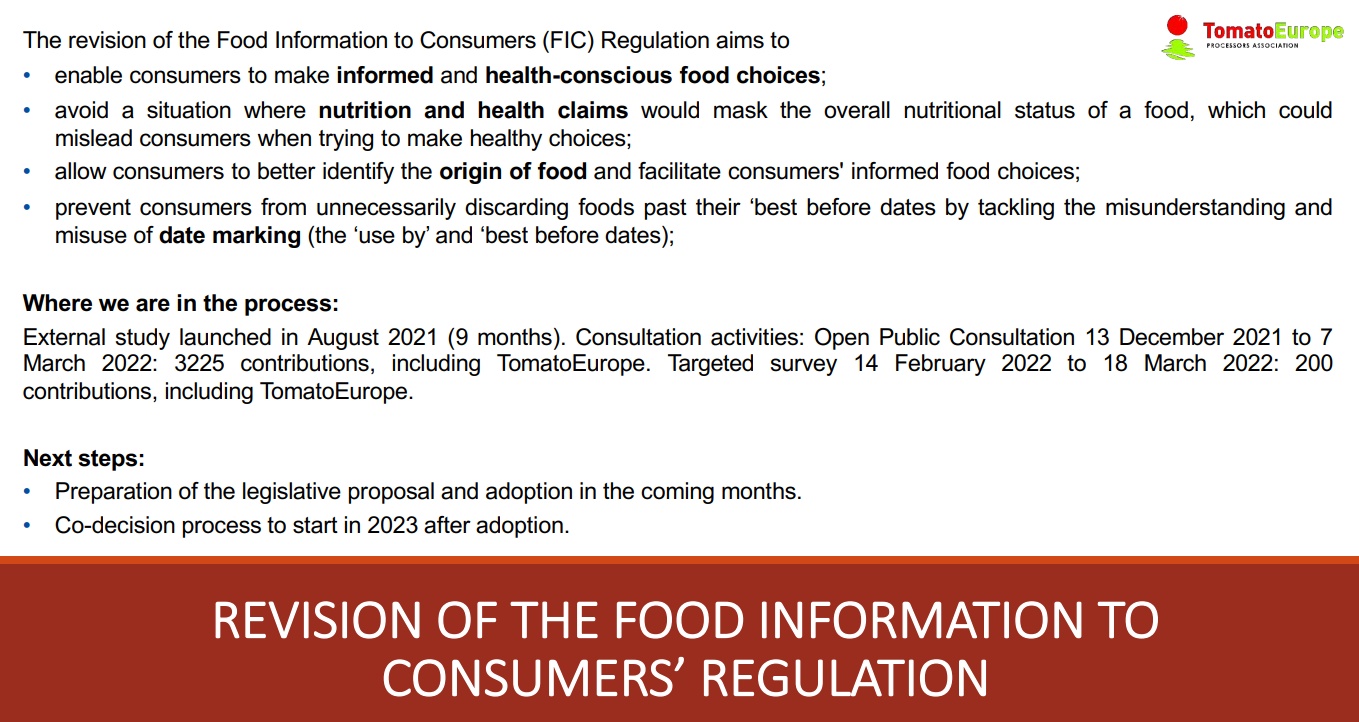
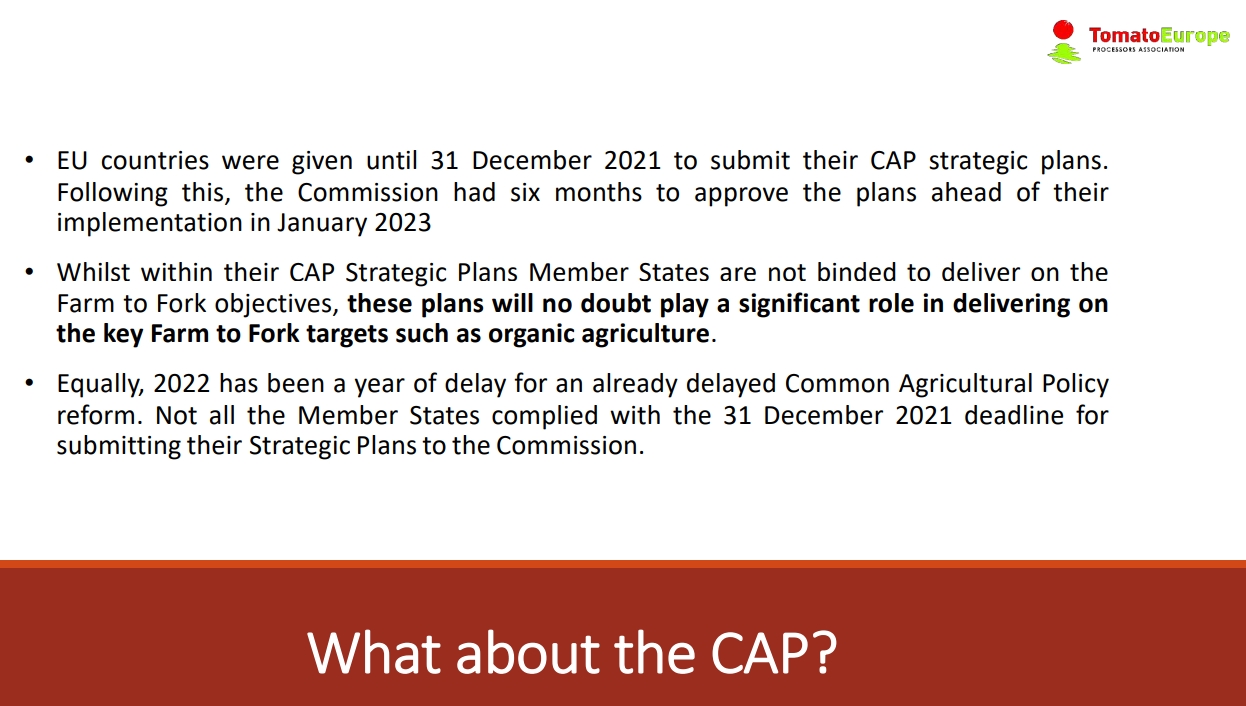
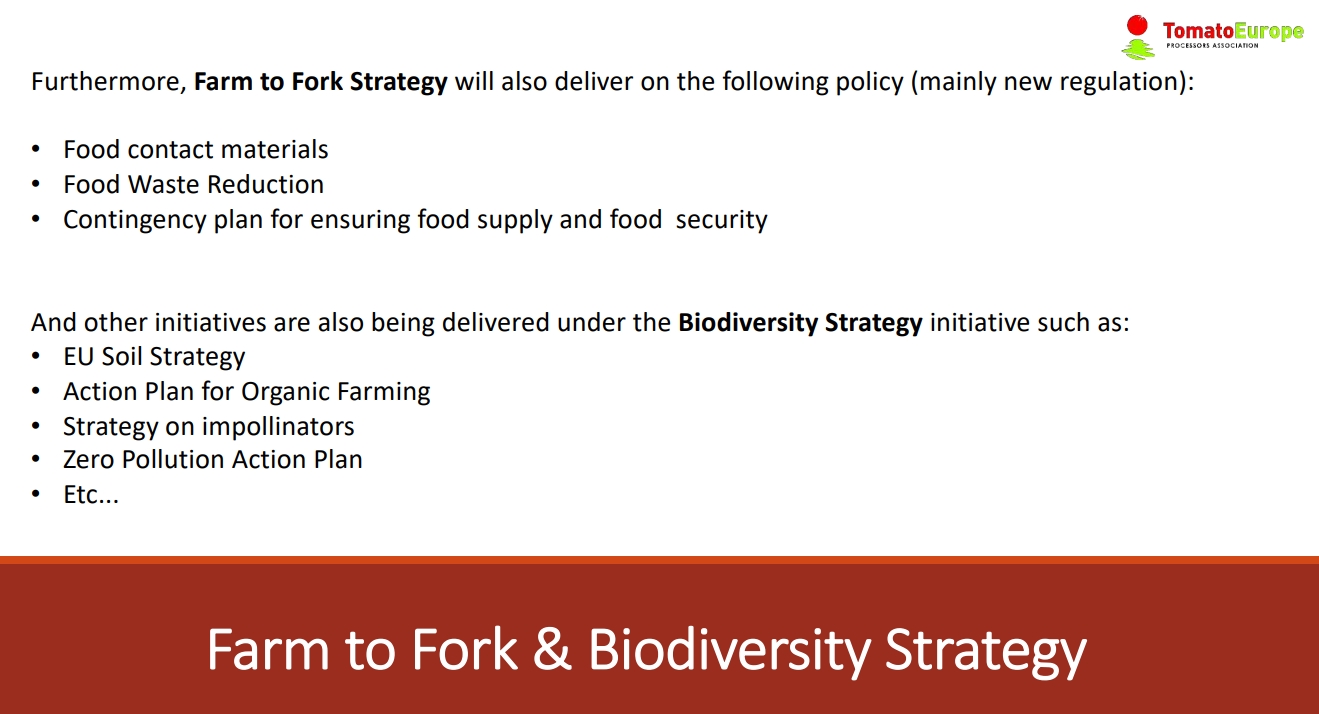
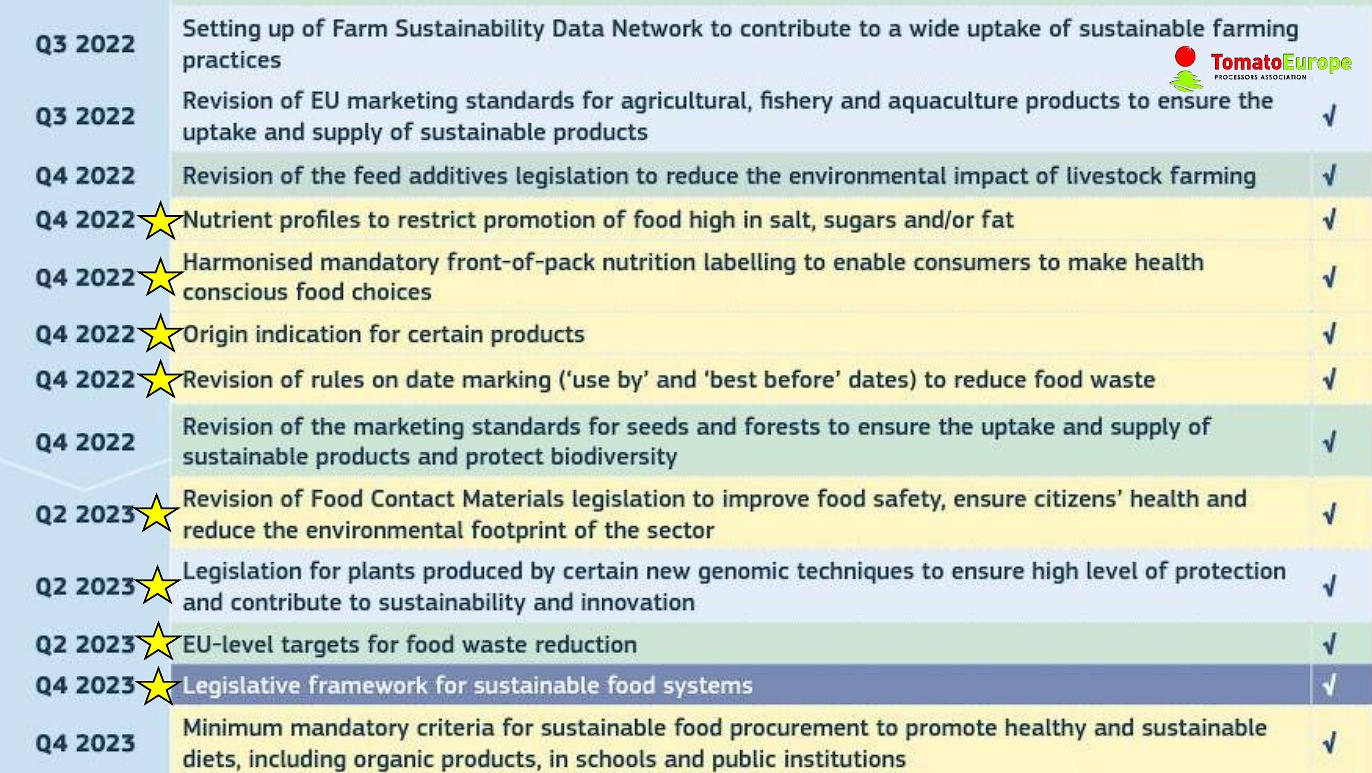
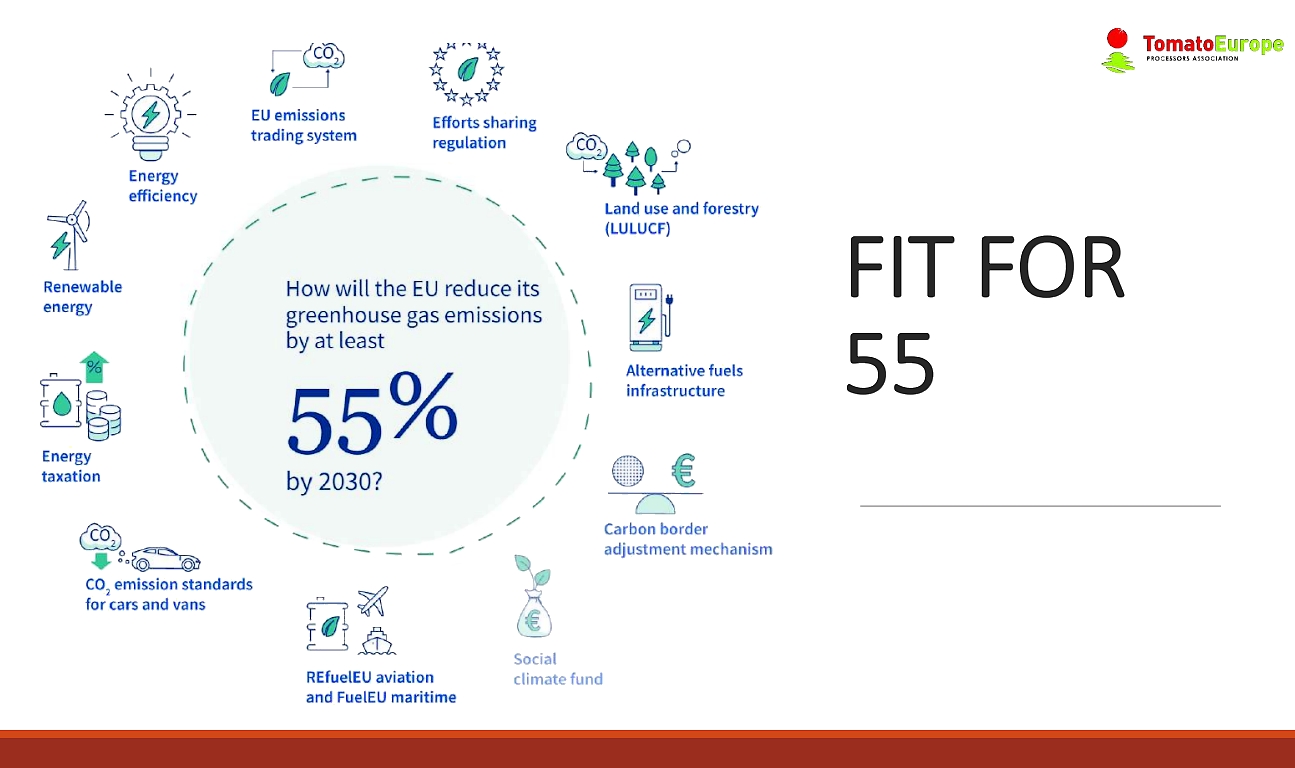
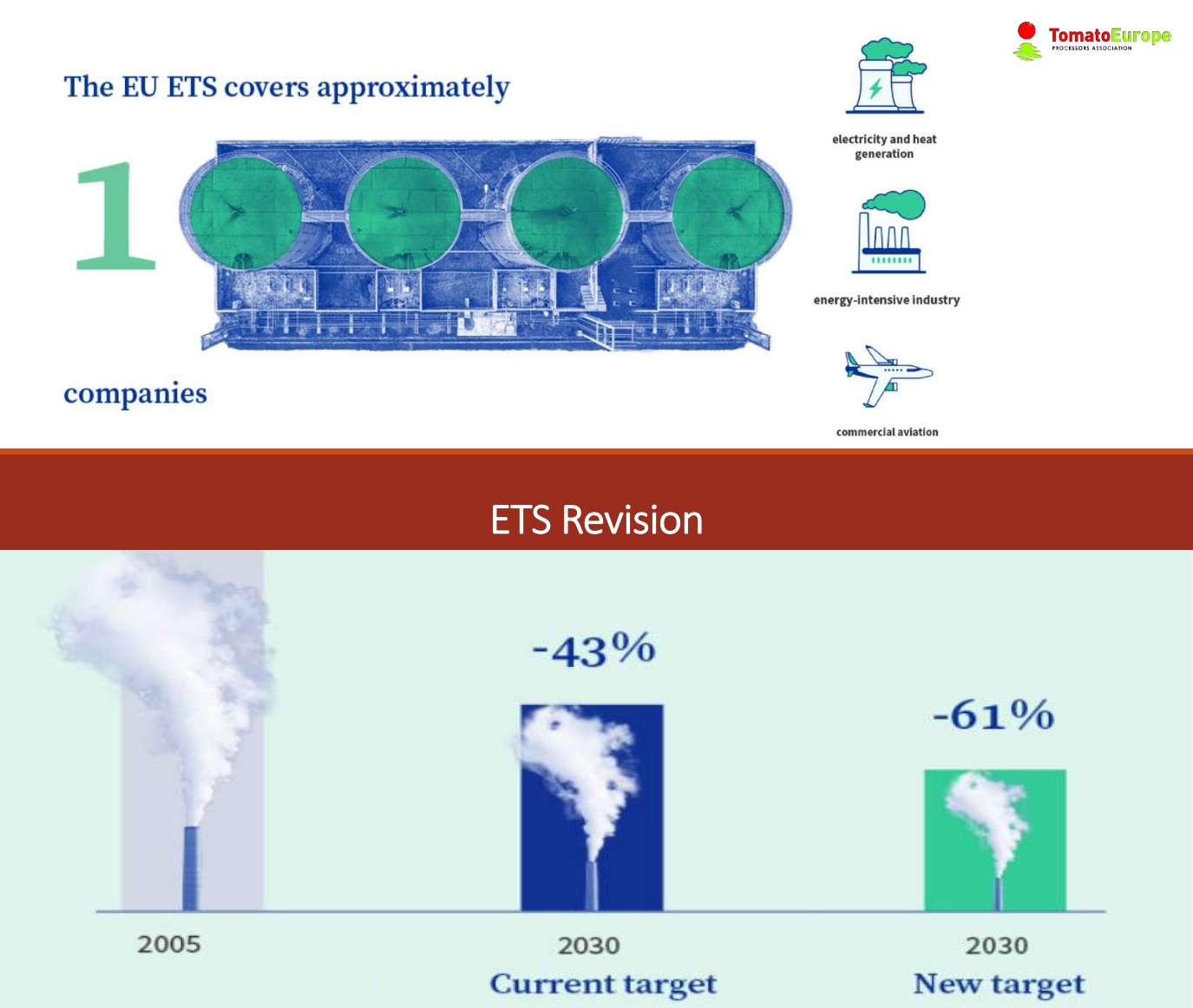
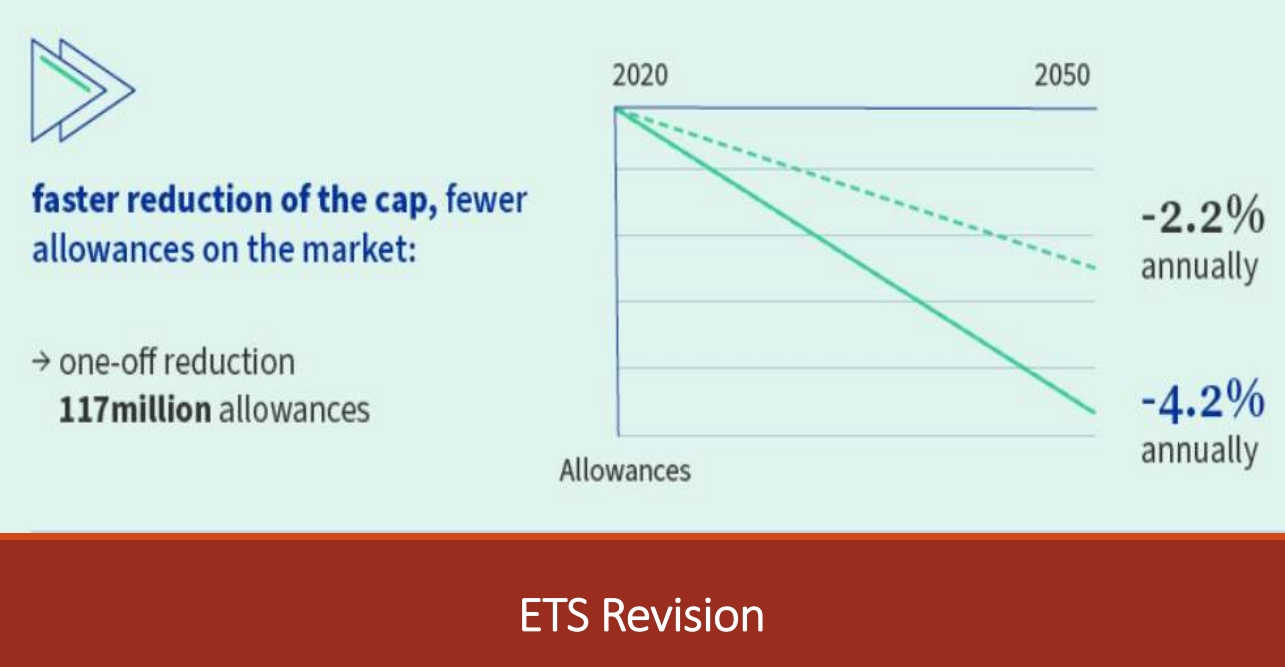

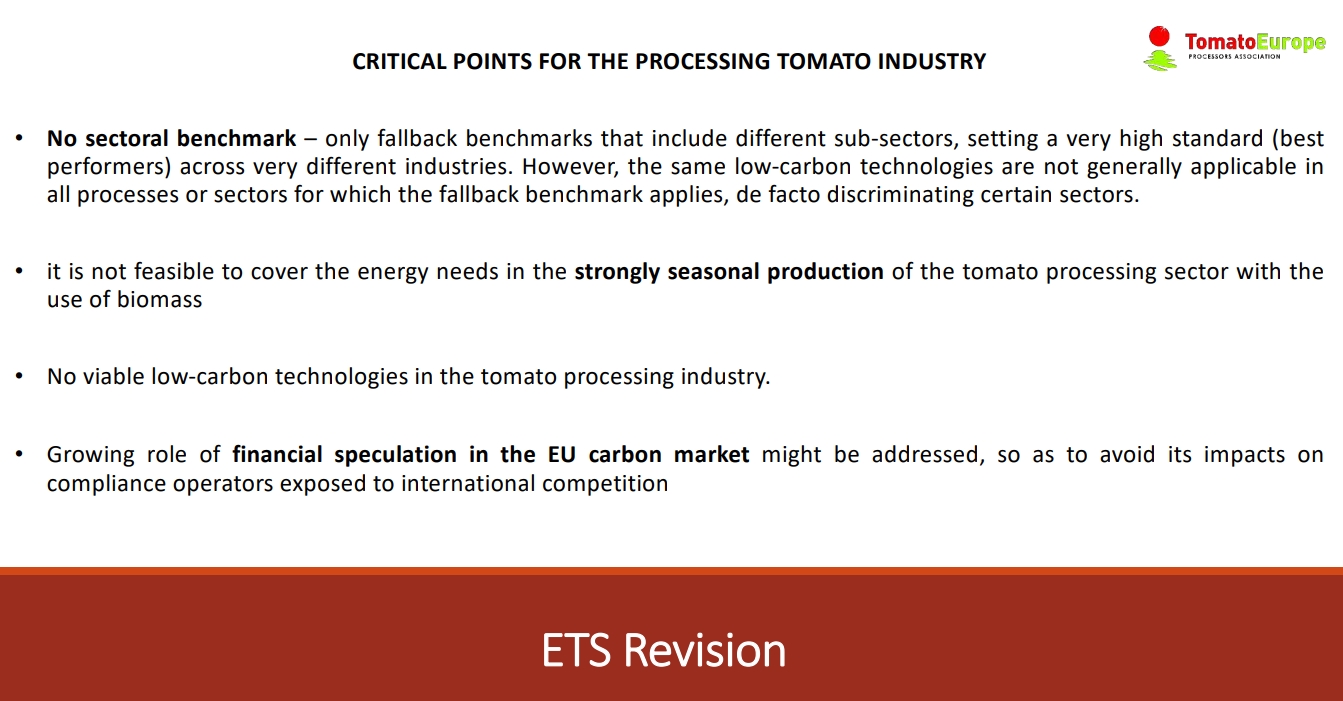
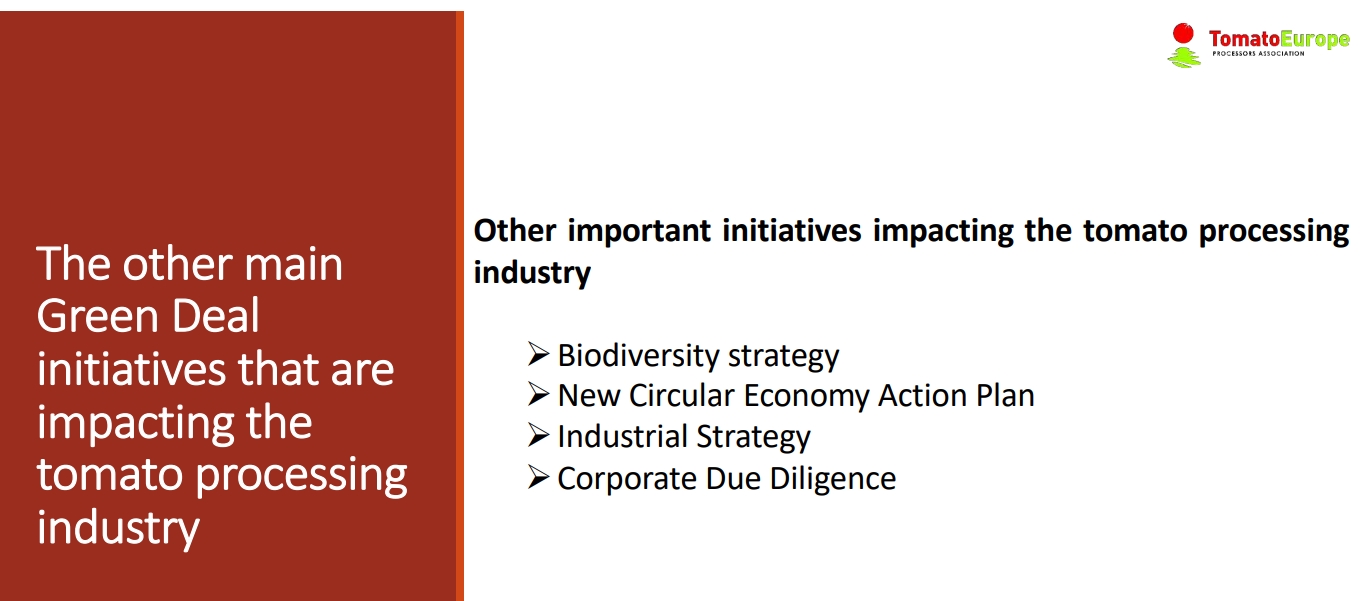
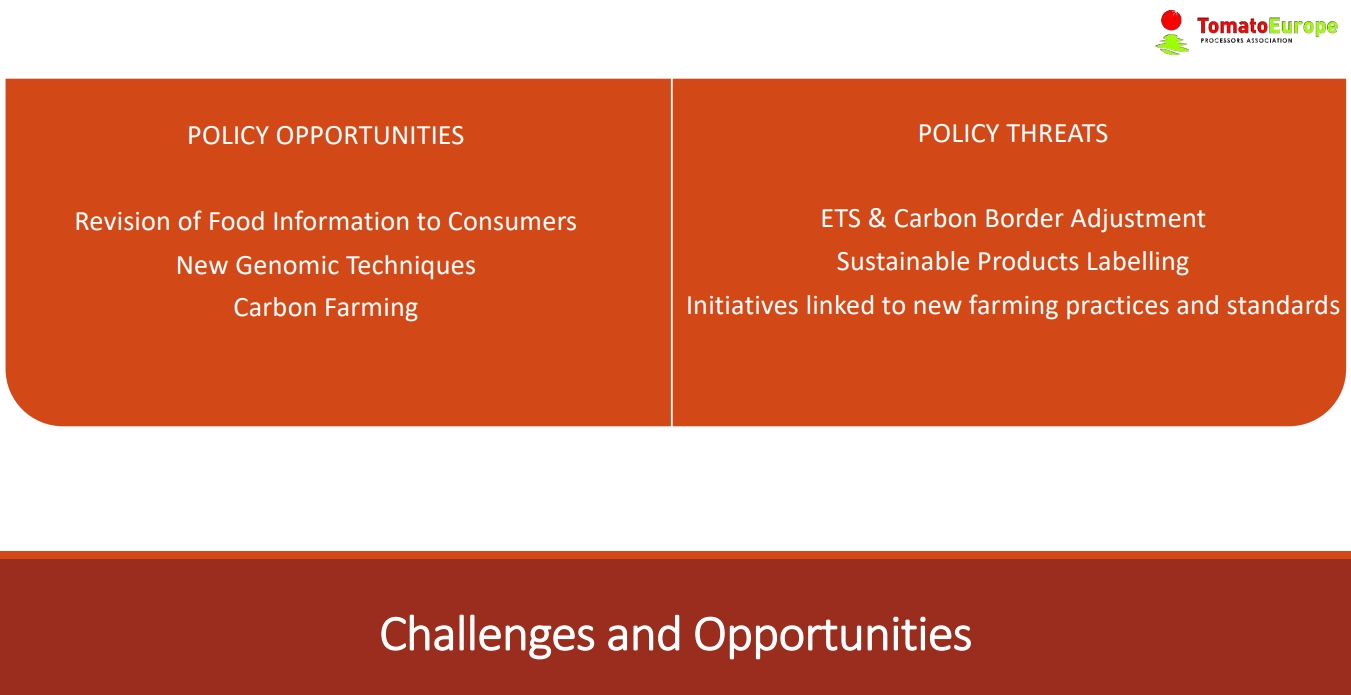
In summary, we have been focusing mainly on two initiatives – the “Farm to Fork” Strategy and the “Fit for 55” Strategy. We have some policy opportunities, as I mentioned, with the Revision of Food Information to Consumers – concerning everything related to labelling and information to consumers, the New Genomic Techniques that can improve the varieties that are currently used, and also Carbon Farming, providing farmers with potential extra income if they use beneficial practices that capture carbon. We have also mentioned threats, linked to the emissions trading system and the Carbon Border Adjustment scheme, the Sustainable Products Labelling program and all the initiatives linked to new farming practices and standards, particularly in relation to pesticides, fertilizers, organic farming, and so on.” Manuel Vazquez' presentation [embedded content] Some complementary data You can find all the other presentations and slides from the 2022 Tomato News Conference held in Parma on 25 October 2022 by clicking here. Source: Tomato News |
Mundial | Mercados | Conservas Vegetales | Eventos | Intersectorial | Jueves, 26 Enero 2023 |
 “I will talk about European policies and challenges for tomato processors.
Página 5 de 66