


Indicadores
| Título del ítem | Sumario | Categorías | Creado | |||||||||||||||
|---|---|---|---|---|---|---|---|---|---|---|---|---|---|---|---|---|---|---|
| Will protein be the next mega-trend in 2023? | Today’s protein consumers are demanding protein alternatives and attractive sensorial experiences. But with existing obstacles revolving around how to achieve favourable volume, texture and machinability to meet consumer expectations, protein has yet to reach mega-trend status. However, with the adoption of new processes and product developments, the question now is whether it will signify a change for protein in 2023. Alternatives get mainstream appeal
Proteins remain a critical ingredient in the global food industry. With the world accelerating toward innovative and sustainable eating, there has been a shift in demand for alternative protein sources. “Global consumers have become increasingly aware of what they eat and how it impacts their health, which has raised questions about artificial ingredients and harmful additives,” said Taly Nechushtan, CEO of chickpea protein platform InnovoPro. The alternative protein market emerged in direct response to these concerns and provides appealing product solutions in the bakery and snack categories. “Food industry players must understand the evolving market dynamics and capitalise on opportunities that arise through product innovation,” added Alan Marson, director of PulseON Foods, formed in 2021 by the Quadram Institute and New Food Innovation to support the commercialisation of a unique, whole-cell pulse flour. Gaining market knowledge is cited as key to staying ahead of the alternatives competition, said Marson, noting “consumers are hungry for new products with unique textures, flavours, and functionalities. “By leveraging this burgeoning trend, companies will stay competitive and demonstrate their commitment to sustainability.” High protein benefitsEvolving consumer behaviour has had a cascading effect on a number of food and snacks categories. Recently, it has led to a rise in new product launches in the baking segment. Health-conscious consumers turn to bakery products with high protein levels to offer more nutritionally balanced options. Plant proteins with high digestibility and strong amino acid profiles are also popular choices for the enrichment of bakery and snacks, and today are dominating manufacturers’ new product development (NPD) plans. InnovoPro, for example, has launched a fully digestible protein, CP-Pro70, which contains amino acids at levels that meet or exceed adult nutritional requirements, along with fibres that promote a healthy microbiome. Besides health benefits, taste is ultimately what determines the repeated purchase of a plant-based product. “This is especially true in the baked goods and snacks segment where indulgence and richness of taste are crucial,” said Nechushtan. It’s certainly the consumer who presents the baker with the ultimate challenge when formulating products with higher protein alternative flours. “They are seeking out new and innovative ways to eat healthier and add more protein to their diet but aren’t looking to accept any sort of trade-off when it comes to texture or product quality,” said Songwei Wu, staff scientist of Food and Beverages at Innophos, which specialises in the development of essential ingredients, chelated minerals and innovative specialty phosphates. The protein consumer
According to Innova, consumer behaviour has been the main driver behind the rise in protein-packed baked goods, with more than a third of dieting Americans now reporting a high protein focus in their diets. According to Stephen Charles Lincoln, founder of The Protein Bakery, today’s consumer is “a more educated customer”, which is impacting the rise of protein in the bakery and snacks sectors. The New York, US-based bakery was born in 1999 and became one of the first proponents of the concept of high protein baked goods. More than two decades of running the bakery has enabled Lincoln to build up a wealth of consumer insight, especially as protein demands vary from consumer to consumer – which presents manufacturers with both challenges and opportunities. Some consumers want more protein in every meal, others are focused on maintaining muscle mass and understand adding protein can make it taste better and fill them up faster and for longer, while others want calories and real food that is nutritious. “People are reading nutritional values more than ever,” said Lincoln. As a result, consumers are open to limiting or restricting certain items from their diet to get results either for better health or better fuel. “Especially since the pandemic people want to make better, healthier choices,” he added. Consumers are looking for options with the added functional benefit of more protein while still expecting a similar sensorial experience to traditional baked goods. Overcoming functional, intolerance and production challengesManufacturers are faced with volume, texture and machinability obstacles when producing protein-rich baked goods and snacks, particularly in the alternatives space. Maintaining both volume and texture when working with alternative flours remains an ongoing challenge for bakers looking to formulate high protein products. Struggles in achieving ideal volume and texture relate directly to the hydration challenge that bakers face with many of these protein-rich ingredients. The proteins compete with other ingredients for water, which can result in inconsistent water absorption and thus inconsistent volume and texture of finished products. “Phosphates play a critical role in improving the volume and texture of high-protein, plant-based baked goods,” said Wu. Many plant-based proteins can negatively impact the density of finished baked products because they increase the viscosity of the batter, he added, limiting the ability to incorporate air. Combined with the fact that these proteins require a significant amount of water, the phenomenon can lead to a much thicker batter and denser end product. “Phosphates help reverse this trend, reducing batter viscosity and bringing it back to a similar level as traditional flour-based baked goods while also positively influencing the water holding capacity of the proteins.” Emerging innovation is also set to appeal to intolerances and preferences. “Whey protein is the most easily absorbed into the body, but not all people can deal with whey protein,” added Lincoln. Machinability can also be negatively impacted by high-protein ingredients. According to Wu, this is “due to the fact that replacing traditional flours with plant-based protein-rich alternatives can have a considerable effect on the rheological properties of the batter.” When added proteins impact the viscoelastic behaviour of batter, it can considerably impact the way the batter moves through machinery designed for a different batter composition. From a machinability perspective, phosphates can help batter perform better. In a similar way to how viscoelastic works in traditional flour-based batter, phosphates can help avoid any issues related to decreased process efficiency, noted Wu. Protein predictions and projections for 2023
Consumers are looking for healthier, more sustainable options across bakeries and snacks. “We expect to see more and more protein-enriched launches in these categories from major CPGs and smaller companies,” said Nechushtan. The sector is also seeing growth in baking ingredients and mixes that are plant-based, vegan and fortified with alternative protein. “Focusing on bakery, the market still lacks plant-based alternative solutions that maintain the same shape, texture and taste that egg white provides,” he added. From an innovation perspective, the protein trend has already expanded beyond some of the early segments of the baking space like seeded bread, muffins and protein-rich pancakes into more indulgent segments like cupcakes and cakes “As a result, this evolution of the baking category is set to continue as more and more new indulgent products should hit the market in 2023,” said Wu. Examples of protein-rich baked goods and snacks we can expect to see include brownies, cookies and single-serve desserts. “Protein should see an uptick in 2023 as the trend of ‘higher-protein, better for you’ options continue to impact the NPD strategies of bakers and snack food manufacturers,” added Wu. Consumer demand will continue to drive NPD and innovation in this category as shoppers seek more indulgent options with greater functional benefits so they can enjoy healthier alternatives to long-favoured sweet and savoury baked goods. “With more education, people will learn to eat more balanced and incorporate protein into their lives,” said Lincoln. Amid the rise of protein in baked goods and snacks, in 2023, we can expect to see a range of innovations including bakery mixes, high protein plant-based snacks and egg-free pancake mixes and cakes. Whether new developments in the high protein and alternatives segments are enough to push protein into becoming a mega-status trend depends on how producers fare with tackling current functional and sensorial struggles. |
EEUU | Clientes | Mercados | Intersectorial | Viernes, 06 Enero 2023 | |||||||||||||||
| China: Tariffs Reduced on Select Agricultural Products and Assessment Method on Specific Poultry Lines Changed |  On December 29, 2022, the State Council Tariff Commission (SCTC) announced its annual tariff adjustment plan that sets tentative import and export tariff rates for select tariff lines in 2023. According to the 2023 tariff adjustment plan, the PRC will calculate MFN tariffs on certain frozen chicken products by applying a tariff on the import value rather than by volume (RMB/KG). The PRC will also temporarily lower import tariff rates for frozen blue whiting, cashew, linseed, sunflower seed, cocoa fat (oil), homogenized composite food, and a few wood products. The report contains an unofficial translation of the 2023 tariff adjustment plan, a list of agriculture-related products subject to temporarily applied MFN tariff rates, a list of chicken products with adjusted tariff assessment methodologies, and a list of commodities subject to TRQ administration. |
China | Legislación y normativa | Mercados | Intersectorial | Miércoles, 04 Enero 2023 | |||||||||||||||
| India: FSSAI Publishes List of HS Food Product Codes Requiring Health Certificate |  On December 28, 2022, the Government of India’s Food Safety and Standards Authority of India (FSSAI) notified on its website No: 1829/Health Certificate/FSSAI/Imports-2021. The notification is in continuation to the FSSAI order from August 3, 2022, requiring all milk and milk products; pork and pork products; and fish and fish products, imported into India to be accompanied with a health certificate issued by the competent authority of the exporting country. The order includes a list of HS codes that a FSSAI health certificate is required for import into India, including new commodities not previously mentioned in the August 3, 2022 order. Additionally, FSSAI advises interested stakeholders to verify the applicability of the listed HS codes in line with the food products specified under the Food Safety and Standards (Food Product Standards and Food Additives) Regulations (2011). |
Mundial | Mercados | Legislación y normativa | Intersectorial | Miércoles, 04 Enero 2023 | |||||||||||||||
| Mycelium-based ingredient supplier eyes European expansion after EU authorisation |  Mycelium is the fibrous root structure of mushrooms. MycoTechnology claims its range of ingredients, called FermentIQ, improve the sensory, functional, and nutritional attributes of plant protein in a range of applications. FermentIQ consists of pea and rice protein fermented by shiitake mushroom mycelia and is produced using a patented mycelial fermentation platform in a process that deodorizes and de-flavours the protein. FermentIQ received a positive opinion earlier this year by the European Food Safety Authority (EFSA), which said it considered the ingredients to be safe for use in a wide range of food and beverage categories. The European Commission has now granted Novel Food status to two of the three formats.: FermentIQ MLL and PTP. The protein powder (PTP) is claimed to offer improved solubility and mouthfeel in protein beverages, while the milled offering (MLL) aims to deliver nutrition, taste and mouthfeel profiles that make it ideal for dairy alternatives. The company also produces a texturised offering (TXP) which claims to provide a superior springy and juicy texture in meat analogues. This also has EU approval. With Novel Food authorisation secured, MycoTechnology said it is set to accelerate its expansion into Europe, the company’s next major growth frontier. It has hired its first European sales representatives, based in Germany and the Netherlands, and has recently announced a partnership with Brenntag for distribution in the region. The company’s European expansion will be underpinned by its recent Series E fundraise, which generated $85 million to fuel growth and proliferation of its technology. Welcoming the news, Alan Hahn, MycoTechnology CEO, commented: “Authorisation means we can now offer food and beverage manufacturers access to our cutting-edge plant protein in Europe for the first time. FermentIQ is a transformative, game-changing plant protein with multiple application and nutritional advantages over other plant protein ingredients. It enables brands to overcome the technical and taste barriers associated with other plant proteins, providing consumers with a compelling reason to switch.” The addition of sales and distribution capabilities in Europe means that MycoTechnology's product portfolio – comprising FermentIQ plant proteins and ClearIQ flavour clarifiers – is now available globally, with sales networks already in place in North America, Latin America, and Asia. Hahn added: “Harnessing the power of mushroom mycelia to produce high quality plant protein is perfectly aligned with both consumer expectations and the EU's commitment to sustainability and food security. It’s little surprise, then, that we are already in conversations with leading food industry players in Europe to formulate and commercialize products containing FermentIQ plant protein.” Last year, Lisa Wetstone, Director, Innovation and Growth Strategy at MycoTechnology explained to FoodNavigator that through the mycelium, a fungus secretes an array of enzymes into its environment, which break down biological polymers into absorbable material, as well as leaving behind beneficial metabolites. She said: “These attributes of mushroom mycelia enable our unique fermentation processing to improve the physical properties of our pea and rice protein blend – including taste, aroma, solubility, and colour.” The company claims that MLL and PTP both have a Protein Digestibility Corrected Amino Acid Score (PDCAAS) of 1 for individuals aged 3 and older, signifying that their protein content is of the highest nutritional quality. FermentIQ also offers reduced anti-nutrients and improved digestibility, allowing 99.9% of protein consumed to be digested. A recent study found that MycoTechnology's fermentation process improves protein quality by more than 20% for children aged three and above, adolescents, and adults, based on the Digestible Indispensable Amino Acid Score (DIAAS). As a result, the company claims its FermentIQ protein ingredients offer a nutritional value competitive with animal and soy proteins. |
Mundial | Mercados | Proveedores | Intersectorial | Miércoles, 04 Enero 2023 | |||||||||||||||
| Calculating environmental impact needs to include protein quality |  The environmental footprints of certain foodstuffs, calculated per unit of protein produced, risk misinforming food stakeholders and consumers, according to a new study. Instead, the full nutritional value of foodstuffs needs to be fully considered when scientists are trying to calculate the environmental impact of producing different foods, say the authors. The study took a measure of protein quality called the Digestible Indispensable Amino Acid Score and used it to create 'adjusted' environmental footprint metrics for a variety of foods. Using this method, many animal-based products' environmental impacts were almost halved (e.g., dairy beef) while the impacts associated with wheat bread, for instance, increased by almost 60%. "This study highlights the need for both nutritional and environmental sciences to be taken into account to fully understand the impact that food production has on human and environmental health," said Rothamsted's Graham McAuliffe and lead author. Protein is a highly complex nutrient comprising amino acids, nine of which, known as essential or indispensable amino acids, cannot be produced directly by humans and must come from dietary sources. Moreover, the digestibility of different amino acids within the human gut is highly variable. In other words, the quantity of protein in a product does not necessarily represent its quality, which is affected by numerous factors, including the fact that some food items (typically plant-based products) contain other factors which can inhibit or restrict nutrient uptake. The team used the DIAAS score to represent how digestible a food item's amino acids are. When this is applied to four animal-based foods (dairy beef, cheese, eggs, and pork) and four plant based protein sources (nuts, peas, tofu, and wheat), all the animal-based products scored more than 100% DIAAS due to their highly digestible structure and lack of inhibitory compound; Tofu had a DIAAS of 105%, while the three other plant-based protein sources scored under 100%, with wheat scoring particularly poorly (43%). A healthy average human would need to consume much more low-DIAAS products to achieve the same protein benefit compared with high-DIAAS products, thus leading to more production and associated environmental impact to reach the same level of recommended intake. "Simple 'mass-based' - nutrient content rather than quality - comparisons of food items' sustainability is not sufficient to provide policymakers and stakeholders with transparent and useful information on how to reduce their environmental impacts across agri-food supply-chains," said McAuliffe. "Food items are rarely consumed in isolation, and therefore one of the major recommendations we urge future nutritionally-focussed sustainability assessors to consider is the complementarity of food at, for instance, the meal level or multi-meal level." According to McAuliffe, this is a critically important factor for consideration as low DIAAS values in one item may be offset by higher scores in other foods, thereby allowing targeted assessments of protein delivery for different regions, nations or populations which may be deficient in a certain IAA. The team also caution that environmental impacts should only form part of the sustainability picture. Future work should incorporate socioeconomic factors (e.g., rural economies, animal welfare, fair trade, and so on) to truly assess food production’s sustainability, especially when considering international food trade and potential market shocks such as warfare and economic crashes which can affect the delivery of food security. Source: Rothamsted Research |
EEUU | Mercados | Seguridad alimentaria | Intersectorial | Miércoles, 04 Enero 2023 | |||||||||||||||
| Our Top Content to Help You Prepare for 2023 | Happy new year 2023,2023 symbolizes the start of the new year. The letter start new year 2023 on the road in nature route roadway sunrise have tree environment ecology or greenery wallpaper concept. Happy New Year! As we enter 2023, there’s a lot of uncertainty about what the year will bring, especially for the economy and its impact on consumers’ budgets. But as they say, “the best defense is a good offense!” The food and beverage companies that fare the best this year will be the ones that proactively address today’s challenges with an eye toward setting themselves up for long-term success. To help you do that, here are our top pieces of content from 2022 that offer insights to help you make good business decisions in 2023. Technology and the digital transformation[Industry Report] How Software Is Transforming the Food Industry Pandemic-driven challenges like heightened demand and labor shortages have prompted companies to rethink their operations and make technology a priority. We asked representatives across the food industry about their companies’ attitudes toward digital technologies, the most valuable software solutions, and the biggest industry challenges. Food Brands – and Their Suppliers – in the Metaverse If there’s one thing that really can’t be done digitally, it’s eat. But that isn’t stopping food companies from establishing their places in the metaverse. Food brands, including CPG companies, quick-service restaurants, and their suppliers, are starting to explore what the metaverse has to offer in the way of reaching and engaging with customers. Consumer trendsRising Food Prices Impact Brand Loyalty, Expiration Dates, and Consumer Values Consumers are coping with inflation in a variety of ways, including sticking to strict food budgets, switching to cheaper foods, and eating food that has passed its expiration date. “Redefining Value” Tops Innova Market Insights’ Top 10 Trends for 2023 Current economic conditions are leading consumers to look for ways to save money. At the same time, values like nutrition and sustainability remain top-of-mind. As Innova Market Insights’ Top Ten Trends for 2023 reveal, to appeal to these consumers, food and beverage brands need to find a way to balance these competing priorities. WorkforceA Multistage Approach to Solving the Labor Shortage in the F&B Industry A good deal of time, energy, and money has been dedicated to figuring out what companies can do to attract and retain the workforce they need to meet the demands of the market. And the answer is that there’s not an easy answer. But there are several ways companies can both close their existing talent gaps and put themselves into a better position for the future. Working with Purpose: Empower and Engage Frontline Workers The average person spends 90,000 hours of their life on the job—that’s more than ten years. After all that time, it’s natural that employees feel their identities are tied up in work. Helping employees align their values with their jobs starts with a mindset that working with purpose benefits both employee and company. Employers who support their employees see significantly improved morale, increased retention, and boosts in productivity. SustainabilitySustainable Food and Beverage Industry Practices Start with a Strategy Consumers and investors feel better about purchasing from and investing in companies that utilize environmentally-responsible measures in bringing their product to market. According to a recent AFLAC study, 55% of consumers believe it’s important for companies to take a stand on key social, environmental, and political issues, and 73% of investors agree that a company’s efforts to help improve society and the environment contribute positively to stockholder investment return. How Food Brands Can Meet the Rising Demand for Safety and ESG Certifications In a study of 350 of the world’s largest food and agriculture companies, many big food companies were found to be “failing dismally” on key ESG issues, including climate change and human rights. Of the 350 companies studied, only 26 are working to reduce greenhouse gas emissions, 309 aren’t doing enough to eliminate forced labor, and 201 aren’t prioritizing healthy foods. As an industry, we still have a long way to go. RegulatoryUnderstanding FSMA 204 and the New Traceability Requirements The finalization of the Food Safety Modernization Act (FSMA) Rule 204(d) is rapidly approaching. In November 2022, a key piece of FSMA will come into play for many manufacturers. Known as the Food Traceability Proposed Rule, the goal of 204 is to create visibility within the supply chain to enable a better response to foodborne illnesses, contamination, and other public health and safety issues. What the Food Industry Needs to Know About PFAS Testing Improvements in instrumentation and testing methodology mean that scientists can now measure ever-decreasing concentrations of PFAS. Detection limits now hover in the parts-per-trillion or per-quadrillion range, which approximates the ability to detect a drop of water in Lake Michigan. These new limits of detection, combined with studies linking harms to increasingly lower PFAS concentrations, mean that many manufacturers, especially those in the food and beverage industry, are facing new concerns about whether and how to test for PFAS. |
EEUU | Mercados | Clientes | Intersectorial | Martes, 03 Enero 2023 | |||||||||||||||
| Key trends for 2023s food and drink industries | The economic crisis, the Ukraine war, energy costs, inflation, cost-of-living, consumer habits as well as concerns about health are all set to be key trends for 2023. But one thing is for certain, predicting what might happen in 2023 with absolute certitude is going to be difficult if the whirlwind of 2022 is anything to go by. Who would have thought at the beginning of last year, when the UK was still in the grip of the pandemic that part of Europe would be at war, the UK see three Prime Ministers taking the helm, and the supply chain issues that we thought were causing disruption were just the precursor to more major issues? So whilst predicting may be trickier than usual, here are 10 key trends that look set to shape the year ahead. The global economyThe current global economic climate hit by the impact of the Ukraine-Russia war has seen energy costs explode, food inflation spiral, animal feed prices increase, and a cost-of-living crisis ensue. Rupert Ashby, chief executive of the British Frozen Food Federation (BFFF), predicts that food producers and manufacturers will face a tough 2023. He cites not just energy prices, but high ingredient costs mixed with labour shortages that will continue to pose challenges for the industry. “The government’s Energy Bill Relief Scheme provides a welcome buffer for businesses to help meet the cost of energy during the winter and the results of their review of the scheme are due shortly. However, the Chancellor has made it clear that any ongoing relief will be less and only for certain qualifying businesses,” warned Ashby. While Baker & Baker CEO John Lindsay says he expects inflationary pressures to continue into 2023, although he hopes the worst of the “economic headwinds” have now passed and “stabilised”. He continued: “The food industry has worked extremely hard to manage extreme disruption to supply chains caused by the war in Ukraine and COVID-19, and demonstrated resiliency and flexibility to ensure food has remained on shelf.” Food supply and securityThe National Farmers Union (NFU) has already called on the UK Government to support British food or face “sleepwalking” into a food supply crisis. But there seems to be no quick fix to these widespread supply chain issues. Tim Clarkson, Cluster Director UK and Ireland for Dawn Foods, believes that that issues, such as avian flu and the Ukraine war, continue to have an impact on the supply of raw materials; as a result, food manufacturers are looking to mitigate these challenges. “We look to source alternative ingredients which can be used without having to change specifications or recipes, investing significantly in R&D to enable us to do this. This will continue for the foreseeable future,” he commented. “Like other large manufacturers, Dawn has the benefit of being able to purchase ingredients on a large scale if required. We hold more stock too, meaning that this will keep our supply chain and production moving efficiently to meet customer requirements.” The business of manufacturingThere is no doubt that 2023 is going to be a tough year. Food and drink manufacturers are facing the challenges of potential strike action, increases in production costs, as well as business failures and factory closures. The Make UK/BDO Q4 Manufacturing Outlook survey has already revealed that the food and drink manufacturing sector is forecast to contract by -1.5% in 2023 due to the impact of the current economic crisis. While, Mark Lynch, partner at corporate finance house Oghma Partners admits some early-stage businesses will struggle to survive and have lower valuations due to the current climate. “As an alternative, these companies may look at selling as an exit route and we expect to see an uptick in M&A as a result of these more challenging conditions,” he explained. British Meat Processors Association (BMPA) chief executive Nick Allen, added: “Given all these pressures in the supply chain it is inevitable that there will be more consolidation and many businesses are looking at rationalising their operations.” Labour shortagesThe industry remains at the mercy of a labour crisis. The Association of Labour Providers says that that government plans to recruit domestic workers has already proved “ineffective”. While the UK Government has confirmed that there will be 45,000 visas for seasonal workers available for businesses next year, the situation looks set to remain difficult throughout 2023. Allen states that food processors have seen input costs rise steeply with energy costs rising four-fold and that most plants are running between 10 and 15% short on labour. “They are only coping by reducing lines and using more overtime. And, while the skilled visa system is enabling processors to find workers from further afield, this comes at a significant cost. As an example, bringing one worker in from the Philippines costs about £12,000. “Given the tight labour market in the UK, this seems to be the only option to alleviate the problem in the short term. We would like to think that we will not see a recurrence of the backlogs on pig farms that caused so many problems earlier in the year.” The changing consumerThe cost-of-living crisis has seen some dramatic changes in purchasing habits as consumers tighten their belts. Soumya Nair, global consumer research and insights director at Kerry, told Food Manufacture that changes in purchase and consumption behaviour is accelerating faster than before. “There is clear willingness to reprioritise their expenses yet keeping their focus sharp on proactive health and nutrition, mindful purchases and sustainability, and unwillingness to compromise on taste,” Nair elaborated. “We don’t anticipate a decrease in food and beverage spending, rather a reprioritisation of the basket; with focus shifting to at-home solutions that meet their needs on nutrition, health, and sustainability, without compromising on taste or breaking the bank.”  Paul Graham, managing director of Britvic and current president of the British Soft Drinks Association, sustains that the industry needs to adapt. “Price conscious consumers are now making extraordinary changes to their buying habits – where they shop, what they buy, how often and how much,” he said. “As an industry, we need to continuously adjust to the changing landscape we operate within and adapt to help customers still find the enjoyment in products and treat themselves from time to time, even if they’re on a constrained budget.” BMPA’s Allen added that with the economy under severe pressure and households looking to cut down on spending 2023, it will see a continuation of the trend to buy cheaper cuts of meat like mince. “Volumes of meat produced are down, but not by that much. The issue is more about the value of the product being sold. And, when spending power is under pressure, consumers seem less inclined to dabble with unfamiliar products. They tend to stick with what they know, and of course they know and understand exactly what meat can deliver,” he explained. Ashby highlighted that the frozen food market attracted approximately 400,000 more shoppers during the pandemic, and he expects frozen food will remain a staple of many weekly shops. While Lindsay believes that one of the biggest trends for food manufacturers will be a focus on delivering genuine value. Out of home challengesRachel Dobson, managing director of hospitality buying special Lynx Purchasing, notes that uncertainty in the foodservice sector will continue to hit suppliers and manufacturers, especially in forecasting demand. “There are reports that many hospitality businesses are planning to restrict their opening hours in the new year, due to higher operating costs, such as energy bills and lower consumer spend, which in turn means they will be reducing food and drink orders,” she stated. “However, the consumer mood can change quickly, and it might only need a warm spell early in the spring, or some good news on the economic front, to see customers start returning to hospitality in significant numbers. At that point, food and drink suppliers would need to gear up their supply chains to deal with a sudden spike in orders, which could affect both the availability and price.” IndulgenceMike Bagshaw, founder of flavour specialists ITS, predicts the key market drivers for the coming year will focus on ‘frugal indulgence’, as well as plant based, experiential eating. “Frugal indulgence will be a key market trend in 2023,” he noted. “Although the cost-of-living crisis means that consumers will feel the pinch, it’s my view that they will be happy to splash out on an indulgent treat if they consider it to be value for money.” Lindsay agreed: “And despite the economic challenges, consumers will still seek out moments of indulgence or a treat. Bakery products are sold at a relatively low price point and are thus much more accessible for all shoppers.” Innovation in flavoursWhile the consumer purse is being tightened, innovation is still ongoing within the food and drink sector. And Paola Bassi, marketing director Europe, Synergy Flavours affirms there will be more innovation - especially in the savoury segment. “This could include the incorporation of distinct, signature flavours; authentic dairy flavours, alcoholic profiles, or umami or kokumi boosters to food favourites,” Bassi has predicted. “The popularity of smoky flavours is likely to increase and evolve with seared, blackened, Japanese BBQ, smoked seaweed, and caramelised notes just some examples of flavours we expect to see more of.” She anticipates international cuisines and ingredients will continue to prosper, including spicy and complex flavours such as sansho pepper, habanero chilli, Szechuan pepper, rendang, sriracha and green Thai. Synergy believes beverages are seeing similar trends with a growing interest in savoury drinks, often inspired by mixers, with flavours such as ginger and chilli. Meanwhile Bagshaw envisages classic flavours remaining popular. “For those manufacturers pushing the flavour boundaries in 2023, blood orange, blond chocolate, jalapeno and Biscoff will be big news,” he commented. Health beneficial productsThere is still a demand for healthy and functional food and drink products. Frank Jaksch, CEO of Ayana Bio, the plant cell technology company, says the biggest change in 2023 is a trend that’s been on the upswing since the beginning of the pandemic: ‘food as medicine’. “We’ll see more people avoiding high-sugar and high-sodium contents while reaching for preventative and health-beneficial products that contain natural plant-based ingredients that support stress, sleep, healthy aging, immune function and brain health,” he forecasted. “People tend to seek prevention and self-medicate during economic uncertainty (for example, the supplements market soared during the 2008 housing crisis and during the Covid-19 pandemic). Expect that trend to repeat in 2023.” SustainabilityDespite the challenges of 2023, sustainability is to remain high on the agenda. “The key challenge for food manufacturers is to champion sustainable sourcing but also keep costs down,” Bagshaw said. Lindsay agrees, adding: “There is a widespread understanding within the food and drink industry that decarbonisation and reducing emissions is critically important – to both lessen our impact on the environment, but also as the only way of doing business in the decades to come. “The provenance and sustainable qualities of raw materials is a growing purchasing consideration for shoppers, particularly ingredients such as palm oil and cocoa.” While Graham highlights the implementation of the DRS scheme in Scotland in August 2023, which aims to tackle the issue of drinks bottles and recycling. “Producer fees bring an additional cost which right now, just doesn’t seem sustainable,” he contended. “We have come a long way and the entire industry wants the DRS to succeed, and it will be a test when it comes into force next August, but the government can utilise the learnings from Scotland, to capture and apply it to a UK-wide DRS as soon as possible.” Meanwhile, BMPA’s Allen has a wish for 2023 on sustainability that would be to see all the different industry bodies in this country come together to agree a plan. “Here in the UK all our key players: the levy boards, the assurance bodies and the major farming organisations are all working in isolation. If we don’t get more cooperation and cohesion, I fear we will fall further behind other countries and the UK food and farming industry will pay the price,” he concluded. |
Reino Unido | Mercados | Clientes | Intersectorial | Martes, 03 Enero 2023 | |||||||||||||||
| Regulatory repertoire 2023: Five need-to-know policies set to impact the APAC food and beverage sector this year |  Singapore’s Nutri-Grade to further inspire sugar reductionSingapore’s Nutri-Grade labelling scheme for sugar-sweetened beverages finally made its official debut in December 2022 after several implementation delays attributed to the COVID-19 pandemic. The scheme, which introduces labels with four different grades - ‘A’ (dark green), ‘B’ (light green), ‘C’ (yellow) and ‘D’ (red), going from lowest to highest sugar content, is mandatory for Grade C and Grade D beverages and has already seen positive impacts in terms of many beverage companies actively reformulating products to cut sugar content. One of these has been Asian beverage giant Yeo’s which acknowledged Nutri-Grade as an important catalyst towards its efforts to reformulate its entire portfolio to Grade A and B so as to avoid the dreaded Grade C and D labels. “The pandemic has brought about a renewed focus in dietary and sugar intake with many countries in APAC imposing various forms of measure to mitigate the risks associated with sugar intake such as diabetes – in Singapore, this was the introduction of Nutri-Grade,” Yeo’s CMO Ang Chong Lee told FoodNavigator-Asia. “This is a mandatory scheme for pre-packaged beverages which accurately reflects sugar and fat levels contained and kicked in from 30 Dec 2022, so stepping into 2023, analysts will be looking at how these measures have helped reduced sugar intake in APAC and how that directly affects diabetes and obesity issues. “Firms in the beverage industry will thus need to be mindful of these incoming curbs and measures imposed on sugar-sweetened beverages and take forward-looking steps by investing more into research and development to produce healthier, less-sugar beverages and yet delivering the taste that consumers enjoy and are familiar with.” The pressure to avoid Grade C and D labels is also high to avoid negative consumer perception, as according to Singapore’s Imperfect Drinks this could have significant influence on purchasing decisions. “What happens is that when you have a C rating or D rating on the label of the product, what will happen is that a consumer will automatically have a shift in perception of it,” Imperfect Drinks Founder and CEO Andrew Lim told us. “So what’s likely to happen is that this product, say an orange juice, is going to go from something they thought was very healthy and drinking it daily, to something that they think twice or more times about before they even want to drink it when they see that label.” Suntory, another major household beverage name, concurred with this and stressed that these regulatory influences will increasingly work to accelerate product reformulation and innovation efforts in the region. “There is mounting pressure to reduce the sugar levels of products sold in APAC, which has led to countries imposing sugar taxes on sugar-sweetened beverages (SSBs),” Suntory Beverage & Food Asia Pacific (SBFAP) Chief Supply Chain Officer Alan Smith added. “This is because diabetes continues to be a growing concern for governments in the APAC region, as according to the International Diabetes Federation, this was responsible for 2.3 million deaths here in 2021 which is the highest across all regions, and the number of people with diabetes in the region is also estimated to increase 27%, to reach 260 million by 2045.” Thailand salt taxes not yet enforced but looming pressure catalysing reformulationMoving to salt, yet another ingredient commonly perceived as unhealthy if overconsumed, in Thailand discussions over the implementation of taxation for high-sodium foods are still in progress, but the food industry is already fervently seeking out alternative solutions in preparation for this. The Thai government has been looking to implement salt taxes since 2018, but this was also delayed several times due to the pandemic as well as industry and academic concerns over its technical feasibility. “Earlier, it was still expected that a high salt tax would be coming in 2021 for certain categories such as instant noodles and snacks, but this was delayed as authorities wanted to be cautious in the implementation,” Food Science and Technology Association of Thailand (FoSTAT) Chairman Asst. Professor Anadi Nitithamyong told us. “So at present there are no regulations yet as things are still in planning, and together both industry and government are looking more closely at other options that might be better such as creating a better environment for consumers to choose and adapt to lower salt products including product reformulation by manufacturers. “It is definitely a technical challenge to remove salt as this is needed to provide taste, preservation and shelf life amongst other functionalities, but the reduction is for the sake of public health.” That said, she also stressed that taxation is unlikely to be the best way forward as its impacts would be minimal compared to the impacts the government is hoping to make. “It must be remembered that Thai consumers’ main intake of salt is actually via channels such as street food, foodservice and home cooking – not packaged foods,” she said. “Only 20% to 30% of their sodium intake comes from processed or packaged foods, so only levying taxation on this sector would not make much of a difference. “That said, the sector is also working hard at reformulation in preparation for any eventuality, but the reduction of salt use will need to be gradual such that consumers can accept it.” Cultivated products see official term set in English, more signs of incoming regulatory approvalsIn 2022 the Asia Pacific cultivated products sector signed a Memorandum of Understanding (MOU) to align on the term ‘cultivated’ as the preferred English-language descriptor for food products grown directly from animal cells. According to sector representatives from multiple regional bodies - including the Good Food Institute, the APAC Society for Cellular Agriculture, China’s Cellular Agriculture Alliance, Cellular Agriculture Australia, the Japan Association for Cellular Agriculture, and the Korean Society for Cellular Agriculture – this term was chosen as the ‘most effective at fostering consistently positive responses’ from consumers, and is expected to push industry growth to the next level. “Nomenclature and regulatory harmonisation are vital for the long-term success of the cultivated foods industry and this MOU establishes a regional precedent that can be replicated in other markets around the globe,” APAC Society for Cellular Agriculture President Dr. Sandhya Sriram said. In addition, regulatory processes appear to speeding up for the industry with many cultivated meat and seafood firms having submitted applications for commercialisation in various markets including Singapore, which saw the world’s first approval granted to GOOD Meat in December 2020 for the sale of cultivated chicken. Flash forward to today, GOOD Meat was also approved for sale in 2022 in a Singapore butchery, moving the sector forward into the retail sector for the first time from an exclusively foodservice environment previously; and another industry leader Upside Foods also made further regulatory progress in late 2022 with a world-first FDA ‘no questions’ letter of approval certifying the food safety status of its cultivated chicken. “The past two years have certainly shown that from a regulatory perspective the cultivated meat industry has moved from an ‘if’ to a ‘when’,” Upside Foods COO Amy Chen told us. “We [have now shown that] the industry will be able to establish the food safety required, and now it is just the process of getting there, getting to a point where both regulators and consumers feel the most comfortable. “Of course we would love for the process to be accelerated, and are eager for the green light so that we can manufacture at scale and more consumers can have access to cultivated meat – but there is also something of a good ‘side effect’ coming from this very long and thorough process, which is that a lot of consumer concerns about safety will already have been addressed once products hit the market. “The thorough vetting process [to attain approval means] that once approved we will already have the answers regarding the data, the safety analyses, the third party reviews, the regulatory certifications and so on to prove that the products are safe and consumers have nothing to worry about.” ASEAN food regulations harmonisation – no more than a pipe dream?The harmonisation of food regulations within the South East Asian region was in talks since long before the COVID-19 pandemic hit, and faced severe challenges reaching any sort of consensus even without the current pandemic-induced economical and other geo-political challenges. Given the troubles of recent times, this harmonisation now seems even further out of reach than before – and indeed industry experts now seem to be lowering their expectations for attaining this. “At this point, I feel that harmonisation has become too strong of a word to be used here,” Prof Nitithamyong said. “I would say that now what I am hoping for is alignment – reaching that is enough of a challenge in itself, and is very much in the same trend of what we hoped to achieve all along. “In order to do this, there needs to be the recognition amongst member countries that each other’s regulations are good enough for certain purposes so we can be aligned in trade terms – going beyond that to harmonisation would need recognition that certain aspects are not good enough [so certain changes need to be made] and right now it would be an enormous challenge to reach that stage.” ASEAN food harmonisation efforts have been in discussion – and in flux – for many years, with official documentation surfacing since as far back as 2013. Unfortunately not much practical progress has been made on this in the past decade, and given the economical and inflationary challenges predicted to have continuous impact on the region in the coming year, it appears unlikely that much more progress will be made in 2023 either. More price hikes, economic instability expected as a result of EU Deforestation LawIn September 2022, the European Union (EU) approved its controversial Deforestation Law mandating all companies to ensure goods sold inside the EU are ‘deforestation-free’ and have ‘not been produced on deforested or degraded land’ - essentially banning many products originating from producers without the economic means to afford the EU’s preferred certifications from entry. Although there have been many protests voiced, particularly by producer countries as well as the palm oil sector, the EU looks unlikely to budge on this stance any time soon, given its strong belief in the sustainability prospects of this regulation. Though well-meaning, experts now predict that this regulation is likely to culminate in further all-round price hikes for products that contain any of the commodities on the regulation’s ‘hit list’ which includes many common items from palm oil to coffee to cocoa – and consumers are the ones likely to be hit by this. “It is highly likely that the deforestation regulation will drive up prices for [the commodities including] palm oil” palm oil industry expert and Senior Policy Advisor for the American Association of the Indo-Pacific Khalil Hegarty told us. “One major reason for this is the costs of compliance - Although on paper the traceability and due diligence needs to be submitted by European firms to European authorities, it is going to be the producers and exporters that will need to provide that information. “Firms will have to prove that they haven’t deforested and this will take time and money so like any non-tariff barrier, the nature of compliance and regulation which makes trade more difficult is going to drive up costs and consumers will be the ones seeing the impact.” “Furthermore, regulation is going to distinguish between high-, low- and no-risk countries for deforestation. Developing and tropical countries that have higher levels of ‘deforestation’ will end up having higher compliance costs compared to EU member countries, or a country like Canada. “So for vegetable oil for example, ASEAN palm oil (likely to be considered high-risk) will have to compete with sunflower that is mostly either grown within the EU or in Ukraine (not high-risk) – and ASEAN markets will end up having to pay more as a result.” Given the rising costs of food and inflation in many markets, these impacts and instabilities are likely to be felt much more keenly in the coming year as producer markets have to learn to deal with the rising costs of production and possibly losing the EU as a major import destination, consumers to deal with higher food prices, and the EU to potentially have to deal with a loss of stable, affordable commodity import supplies. |
Mundial | Mercados | Legislación y normativa | Intersectorial | Martes, 03 Enero 2023 | |||||||||||||||
| Nutraceuticals in SEA e-commerce: Where do the opportunities lie and what more could be done? |  BackgroundA report by Google, Temasek, and Bain & Company pointed out that within the region, Indonesia and Vietnam have the highest percentage of respondents who said that they wanted to use more of e-commerce. The report, titled ‘e-Conomy SEA 2022’, looks at how the digital economy sectors are tracking across six SEA countries, namely Indonesia, Malaysia, the Philippines, Singapore, Thailand, and Vietnam. In Indonesia, 32 per cent of the respondents said they intended to use e-commerce more in the next 12 months, while 30 per cent of respondents from Vietnam said so.
Source: e-Conomy SEA 2022 On the other hand, the report asserted that sustained growth for the digital economy, including e-commerce, travel, food and transport, and online media, was expected, with Vietnam and the Philippines seen as the forerunners going forward. The outlook and what’s driving e-commerce growth The popularity of e-commerce has also led to the rise of e-commerce enablers – companies that provide end-to-end solutions for consumer brands to do e-commerce business. This could include official store management, digital marketing, supply chain management and fulfilment. Thailand-based CREA is one of the e-commerce enabler firms active in Thailand, Malaysia, and Singapore. Speaking to NutraIngredients-Asia, Aimone Ripa di Meana, founder and co-CEO of CREA, described Thailand as a big market for e-commerce, and especially so for the international brands. “From our time here in SEA over the last 10 years, Thailand is the most significant market for branded products online. “It's a market where the consumer is very careful to buy international brands, very eager and very open to international brands,” the former chief operating officer based in Lazada Group’s Singapore office said. Recently, we reported that CREA was partnering Haleon in beefing up the digital presence of the latter’s consumer health brands, including multivitamin brands Centrum and Caltrate. For instance, CREA would help drive demand, generate content, sales and consumer data to better manager supply chain and respond to changes in consumer demand. “Malaysia and Singapore also represent markets that are very open to international brands are looking outwards both to the West and East for brands to help improve their daily lives. “So, these are the markets today that we're focusing on to enable brands to either enter the market directly, help them import their products, to branding and launching their products, or supporting brands that are live in the market and are looking to grow their digital presence. “The main cities are really the core of the premium consumption.” South East Asia is a highly watched region for e-commerce, not only because the vast majority of the population are active internet users, but also because of an increasingly strong internet and logistic infrastructures that have been developed over time, di Meana explained. “All of SEA is going through digital revolution and all these markets are seeing great growth in this segment. “I think what varies typically by market is the payment network, it's the country's openness to cross border trade and ability and ease of importing and introducing new products as well as consumers openness.” In terms of consumers openness, he gave the example of Indonesia, where consumers would prefer local brands, especially for halal beauty and FMCG products, as opposed to the preference for international brands in Singapore, Malaysia, and Thailand. Social media, especially Facebook and Instagram, could be used to promote niche products, since they could serve as an educational platform for consumers to learn more about the offerings, before deciding to purchase the products. “All markets in SEA also have in common that they are very active on social media platforms. And online has allowed the consumption of particular set of niche products that might not have happened in the past. “Health is a trend that is here to stay. For a number of our leading brands, Thailand is the top market in their portfolios. We have seen a lot of investments in our core markets in introducing new products, new lines, but also marketing investment in the market.” Another company that has found success in Thailand’s digital space is Brand’s Suntory. In the 11.11 shopping event last year, Brand’s was the second best-selling brand under the Health and Wellness (Dietary) category on e-commerce platform Shopee, only behind Ensure by Abbott. Working with aCommerce – also an e-commerce enabler firm, Brand’s Suntory has built online stores for selling its flagship product, Essence of Chicken, on marketplaces such as Lazada, Shopee, as well as social commerce platforms such as TikTok and Line. Alisa Techawongwattana, head of E-Commerce of Suntory Beverage & Food (Thailand), said the partnership has leveraged Suntory’s data of current customers to capture new audiences, expand its customer base, and increase basket size. Other than Essence of Chicken, the product assortment has also expanded to include Brand’s Bird’s Nest and Veta Berry beverages. What’s trending? In the case of Singapore, some of the popular nutrition products are infant formula and sports nutrition products, according to e-commerce marketplace Amazon Singapore. The platform started its operations in Singapore – its first in SEA – with the launch of its delivery service Prime Now in 2017. “Some of our bestselling health and nutrition products on Amazon.sg include NESTLE NAN OPTIPRO 4 Growing Up Milk Formula, Optimum Nutrition Gold Standard Whey Extreme Milk Chocolate, as well as items such as organic fruits & vegetables,” Leo Laforgia, Amazon Singapore’s Country Manager, said in response to queries from NutraIngredients-Asia. One of the latest brands that the platform has onboarded was Little Farms which makes granola, kombucha drinks, fruits and vegetables, meat, nut and cold pressed juice. The products have been made accessible to Amazon Prime members on Amazon Fresh & Fast, where users will be able to receive their online purchase in as soon as two hours. Using social commerce for deeper engagement Instead of merely acquiring new consumers, brands are also focusing on boosting consumption frequency and value from existing consumers – a trend highlighted in the ‘e-Conomy SEA 2022’ report. “With digital adoption maturing, understanding usage behaviour across consumer segments is necessary to unlock incremental headroom for growth. “The majority of digital players are shifting priorities from new customer acquisition to deeper engagement with existing customers,” said the report. Boosting consumption frequency, value, and loyalty of existing users, has become a priority especially as average orders remain small at US$10 to US$15 each, the report highlighted. In terms of consumer engagement, new findings from Shopee found that three in four consumers from Malaysia prefer to learn about new products and solutions to their day-to-day problems through tutorial videos made by influencers. This is based on its report “Future of E-Commerce with Malaysian Influencers 2022”. It analyses the findings of a survey which took place between September 28 and October 26, where feedback was obtained from 2,459 Malaysian buyers. A breakdown of the statistics showed that 41 per cent of the respondents believe that watching influencer tutorials is “an affordable and effective solution”, 18 per cent said they “felt empowered by the influencers’ similar interests”, while 16 per cent said that “influencers were the primary source to help with a problem”. When it comes to content sharing, short-form mobile videos sharing platform TikTok is undoubtedly a popular platform for influencers and key opinion leaders. To merge content and commerce into one, TikTok launched its TikTok Shop feature in Indonesia since April 2021, which has now expanded to other SEA countries, including Thailand, Vietnam, Malaysia, Philippines, and Singapore. The products are recommended to users via in-feed videos, livestreaming, and a product showcase tab featured on sellers' TikTok profile page. “As more people shop online, TikTok Shop presents the ultimate convergence of content and commerce with unique Shoppertainment experiences for all," said Ng Chew Wee, Head of Business Marketing, APAC of TikTok. di Meana believes that the platform is especially relevant to the health and beauty sectors where expert advice is highly valued. “I think in the health and beauty sectors, where people are looking for advice from people they look up to, or from the experts to tell them about their routine, TikTok is one of the channels that is really going to help drive the growth of these categories online,” he said. Not only consumer brands but also retailers are driving consumer engagement through TikTok. Last year, health and beauty retailer Watsons Malaysia launched the SuperKakiWatsons campaign aimed at promoting its in-house products ranging from personal care to supplements. One will only need to record a video of them reviewing the product, explain why they are the ultimate content creator and upload the video to Instagram or TikTok. What more to improve on? With challenges arising from supply chain disruptions and high inflationary pressure, a tip for brands moving forward in e-commerce is to improve the efficiency of operations. di Meana pointed out that the e-commerce sector has been affected by inflation, supply chain shocks especially in 2022, in turn causing brands to reduce their marketing budget to counter the pressure of financial crunch. The e-commerce marketplaces have also adopted a stronger focus on cost control than on customer acquisition and investment. “This has forced everyone in the market to rethink how they can become more efficient, more resilient online as compared to the previous years – which was more focused on growth and customer acquisition. “I think this ushers in a new era of how we operate on e-commerce, which is going to be a lot more structured, a lot more scalable, and the players that are going to win are those that are best prepared with their infrastructure, technology, and capabilities.” On the other hand, since e-commerce platforms have unlimited capacity to take on new products and brands, he added that what would differentiate brands from one another, would be their ability to engage with consumers on the platform, and being operationally competent. “The more active your brand is on the platform, the more likely the algorithm is going to direct consumers and traffic to your store. “That means participating in the platform activities and activations, it means investing marketing money in the right channels, it means being operationally excellent, because consumers can now read everything about your brand service that your brand is offering. “Operational excellence is now very visible to all consumers and becomes a key differentiator when consumers are picking between one brand or another on the marketplace.” |
Mundial | Mercados | Clientes | Intersectorial | Martes, 03 Enero 2023 | |||||||||||||||
| Ingredients challenges and opportunities for 2023 | Rising costsFood prices around the world have risen by as much as 65% since the beginning of the pandemic, with this year seeing a 12% increase following Russia’s invasion on Ukraine, making for record-breaking inflation levels. Since 2022, it’s felt like the world has been trapped between falling dominos, as one shock led to another. The impact, as we all know, has been higher energy bills, spikes in fertiliser prices and fuel, along with increased food insecurity as Europe’s breadbasket became unavailable. The pressure, which we had all hoped would alleviate after lockdowns lifted, has only gotten worse on our industry. To offer a bit of perspective, the IFM calculates a 1% increase in fertiliser prices equating to a 0.45% rise in food prices, whilst a 1% climb in oil prices sees a 0.2% rise in food prices. A move to local suppliersSpeaking with Sian Holt, MD of Fudge Kitchen, Food Manufacture learnt about the ingredients challenges this well-known artisan producer experienced and how it’ll be moving forwards in 2023. “At Fudge Kitchen we have made a concerted effort in the last year to review the ingredients we use. Our business is built on three pillars - people, the planet, and the products we make; and as part of our commitment to these pillars, it’s important that the ingredients we use are being produced ethically and to the high standard expected for our artisan confectionery,” Holt explained. “In March 2022 we switched our chocolate supplier to Luker Chocolate – a Colombian supplier known for its sustainable community initiatives, transparency across the entire supply chain and the superior cocoa it produces. “It was a big decision for us to change the chocolate we use. We wanted more transparency from our supplier, but we didn’t want to compromise on the quality and taste that we pride ourselves on. Being an artisan confectioner and supplying to many luxury department stores and hoteliers, it was vital that we maintained our superior taste. “The biggest challenge we’ve faced in recent times is the rise in costs across the board, from ingredients and packaging to energy used. Our core ingredients like sugar and cream have increased by around 5% in the last year. As a knock-on effect, we have in turn had to increase our own prices to reflect this. “Going into 2023 we’ll be continuing to use ingredients produced in the UK where we can, having phased out internationally grown cane sugar in favour of beet sugar grown in Norfolk earlier this year. Our six high-street shops around the country also use regional and locally produced ingredients where possible and are continuing to build strong relationships with local suppliers.” Food prices: What can we expect next?Rising food prices were predicted to peak at 14-16% in August 2022, before slowing by mid-2023 by IDG. But supply chain fragmentation and labour shortages changed its trajectory. In a revised forecast, IDG has revealed a higher peak at 17-19% and a slower dissipation period over the course of 2023. However, headwinds remain as we enter the new year. In its report entitled ‘How bad is the economic storm?’ most of the impacts on food and drink appear to be on hospitality, with IDG’s data indicating many will be looking to reduce their spend on eating out. A reduction in how much is consumed is also on the cards, but it’s more likely that we’ll see less money spent in supermarkets – most likely through a combination of eating less and picking cheaper brands. As a recession looms however, Reuters reports certain commodities could see falling price tags – but that doesn’t mean they’ll become affordable. Moreover, gentler weather conditions will mean ingredients such as coffee and sugar should see a surplus in produce. “Our research finds that people are more budget conscious – with 96% of European consumers now tracking their grocery spending,” Soumya Nair, Global Consumer Research and Insights Director at Kerry told Food Manufacture. “That said, consumers’ innate desire for exploration through food has stuck and will continue – so it isn’t just about the cheapest price. People are craving more convenient, better value and faster options which deliver excitement. Think taste without compromise and multi-sensorial attributes to heighten product experiences and edible escapism.” Climate changeWe don’t have long left to prevent unspeakable and irreversible impacts to Earth as a result of changing weather conditions. And although benign weather conditions are predicted to ease the burden on farmers, we can confidently say that climate change will continue to cause havoc. Suffering soilAccording to reports, half of the topsoil on the planet (needed to grow food) has been lost in the last 150 years. The consequence of soil erosion doesn’t just mean a loss of fertile land but it can also lead to pollution and sedimentation in streams and rivers, the WWF warns. If these waterways become clogged, it can have damaging impacts on wildlife, such as a decline in fish. Degraded lands are also less capable to hold water, which means flooding can be exacerbated. Mycotoxins more likelyThe changing conditions are also anticipated to impact mycotoxin levels in animal feed and products. As Cargill explains in its World Mycotoxins 2021 report: “Since mycotoxins are produced by molds as a natural defense response to environmental factors, their occurrence is linked to climate conditions. As a result, changing weather patterns can lead to substantial changes in mycotoxin distribution, frequency and spread. In a changing climate, mycotoxins will contaminate new geographical areas and crops, and we expect this trend to continue, and possibly even accelerate, over the next five years.” Offering an update on the report, Clement Soulet, anti-mycotoxin agents category lead of Cargill’s animal nutrition business told Food Manufacture that she saw three noteworthy data trends in 2022:
“In line with the previous year, 2022 data shows that Vomitoxin (DON) (81% positive samples), Zearalenone (ZEN) (79%), Fumonisin (FUM) (74%), and Aflatoxin (AFL) (70%) continue to be the top four mycotoxins occurring worldwide. Ochratoxin (OTA) (60%) and T2 toxin (64%) show the lowest contamination rates, though both have increased from 2021 to reach above 60% contamination occurrence. “In 2022, 75% of analyses were contaminated above detection limits with at least one mycotoxin. From 2021, we observe a 3% increase in positive analyses. The largest prevalence increases include ZEN (+8%), T2 (+7%), and AFL (+6%). 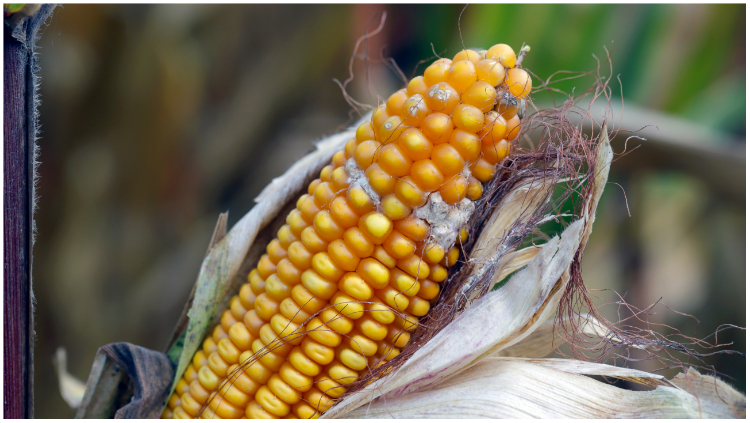
“This year, we identified that 75% of analyses were contaminated with at least one mycotoxin, Increasing mycotoxin co-occurrence requires a strategic mitigation plan to address multiple contamination risks.” Cargill has observed a slight increase in mycotoxin levels over the last year and expect this to continue. “From 2021, analyses above our performance risk thresholds increased 4%,” continued Soulet. “The largest performance risk increases include ZEN (+12%), T2 (+8%), and AFL (+3%). DON and FUM remains at high levels. This increase is likely due to several factors including seasonal weather variation, improved technology that enhances contamination detection abilities, increased byproduct and alternative ingredient use, and changes in agricultural practices such as crop rotation, less tillage and lower fungicide usage.” On a positive note, several strategies to keep mycotoxins at bay are in development, such as detoxification methods (e.g. using cold atmospheric plasma), magnetic materials and nanoparticles), as well as gene-editing tactics. Adding to Soulet’s comments, Ruth Kimmelshue, leader of Cargill’s animal nutrition and health enterprise said: “We need to evolve globally supply chains beyond a just-in-time approach. Modernising infrastructure, innovation and greater efficiency will be critical to preventing disruption in the future. Climate change affects where and how crops are grown. In any given year, for example, we can see improved yields in South America and decreased yields in North America or Europe, or vice versa. As an industry, we need to embrace this reality and adjust our supply chains to respond to the ever-changing environment. “The world needs governments, NGOs and the private sector to work together and stand united in our commitment to keeping agricultural markets open and moving food to where it’s needed. We learned during the pandemic that the food system is resilient because the people who show up every day to grow, move and manufacture our food are incredibly resilient. We owe them our thanks. But we can’t let our guard down because the events of the last several years have proven that: 1) we need to expect the unexpected; 2) get comfortable with change and volatility; and 3) recognise and reinforce resilience across our food system.” Sustainable ingredients will rule…With climate change on everyone’s minds, we’re likely to see manufacturers looking to ingredients which boast sustainable qualities. Ingredient giant Kerry, states that 49% of consumers consider sustainability when making purchases. Moreover, according to consumer insights company WGSN, there is increasing social (i.e. digital) engagement around the terms ‘climate’ and ‘ingredient’. Across the world, we consume around 150 plant species - of those just 12 provide three-quarters of the world’s food. Just tree crops (maize, rice, and wheat) make up more than half of the calories and proteins that we derive from plants. Whilst we eat around five animal species. The problem is that an overreliance on just a few species – be that plant or animal – means our food system is less resilient to threats, including pests and climate change. In 2019, Knorr and WWF partnered up to bring us its 50 future foods, from algae to cacti and fruit vegetables such as pumpkin seeds. A more recent report from WGSN has highlighted five ingredients which it believes hold the “greatest opportunity for future development”, this are as follows:
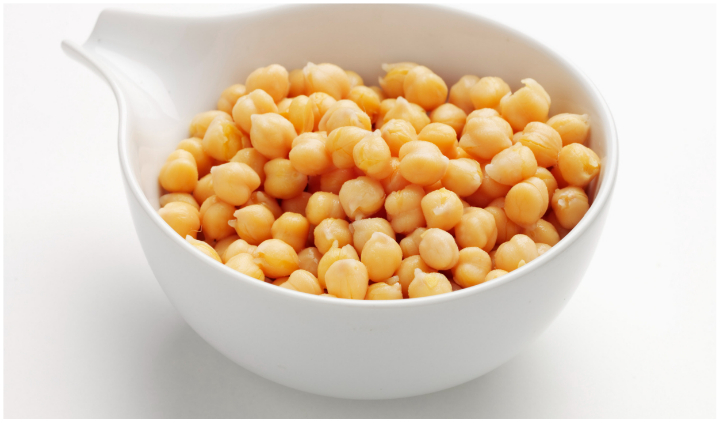
While Food tech startup, ChickP, says it sees potential in chickpeas. Commenting on the launch of its chickpea protein isolate for plant-based ice cream, the company said it was driven by both food sensitivity (such as allergies and intolerance) as well as the continuing trend for reduced animal-based consumption. According to recent research by The Smart Protein project in Europe, flexitarians are driving the plant-based food sector. As many as 36% of flexitarians stated they intend to consume more plant-based dairy products, and more than 30% of flexitarians eat plant-based ice-cream or sorbet at least 1-3 times per month. At the same time, the chickpea legume is becoming more and more popular. Over 40% of flexitarians noted they would like to see chickpeas as the main ingredient in plant-based foods. …but be beware of greenwashingWhilst ingredients can be sustainable for their attributes such as amarnth’s robustness to temperature or bambara but’s ability to improve soil fertility, sustainable foods are also those that have been cultivated, packaged and transported responsibly. Companies will need to be mindful of all these things, ensuring that they are considering sustainability from every side. This year we’ll also see an influx of eco labels, as companies begin to realise the importance of transparency. But it’s not just about putting the information out there, it’s also about being able to back it up. Consumers are becoming savvier and greenwashers will be spotted more easily in the coming years, as these eco labels serve as reliable proof of a brand’s sustainable footprint…well, so long as a harmonious methodology can be achieved! Precision fermentationPrecision fermentation seems to have been more commonplace among our headlines, with a number of big named brands investing. According to Markets and Markets, the market is likely to reach $36.3bn by 2030. Fermentation is not a new technique but the way in which we use it has been adapted. Food safety expert and MD of FOCOS, Bert Popping, described the process of precision fermentation succinctly to us: “Precision fermentation, also sometimes referred to as cellular agriculture, is a technique where a microorganism (which may be a strain of bacteria, fungi, yeast or even algae) is modified to produce the desired protein (or metabolite) in large quantities. This could be an animal protein, e.g. a meat protein. Another area of application is the production of cultured cells (e.g. bovine muscle cells) to produce cultured meat.” But as with any novel technology, precision fermentation comes with challenges and opportunities. “Many tissue-cultured cells need to grow in a medium, which, to date, is still often Fetal Bovine Serum (FBS, also referred to as FCS – Fetal Calf Serum),” Popping said. “FBS (or FCS) has batch-to-batch variability, is expensive and in the past there have been shortages. Its use is accompanied by ethical concerns. The good news is that researchers have and are developing suitable, non-animal-based alternatives. Many can be found in the FCS-free Database. “Another challenge is that often it is desired that the fermentation product has a structure. For this you need to add so-called scaffolds, on which the structure (e.g. muscle tissue) can be built. And the materials used as scaffolds need to be suitable for consumption – or need to be extracted after the fermentation is completed. Choosing the right scaffolding material is more an art than a science at present. “But beyond the challenges associated with fermentation itself, there are challenges of consumer acceptance and regulatory challenges too. Research into consumer acceptance showed that consumers see the most common benefits of cultured meat in the facts that for the production of cultured meat no animals need to be slaughtered and a possible positive impact on the environment, e.g. reduced greenhouse gases. On the other hand, some are concerned about the novel technologies used, including genetic engineering. Here, studies show the same trends as for the acceptance of GMOs: a higher acceptance of males vs females, and younger consumers vs older consumers, as well as a higher acceptance of those with a higher degree of education. Consumer concerns raised varied widely: concerns about food safety (the chemicals and ingredients the cultured meat contained, possible long-term side effects), unnaturalness, concerns about taste and appeal, as well as the price. While taste and price can be adapted, food safety concerns can be difficult to address. The latter may be a barrier to the willingness to try cultured meat. It is therefore important to address food safety at a very early stage and adapt communication to the varying literacy skills of the target audiences. “Another challenge is regulatory approval. If the cells are genetically modified to produce the target protein (or compound), regulatory approvals are required. And the regulatory frameworks of such novel foods differ substantially between the jurisdictions. In Europe, such products would currently be regulated under the novel foods regulation ((EU) 2015/2283). If, at a later stage, gene-edited cells will be regulated differently, in line with the de-regulation of such technologies in many countries, remains to be seen. In the US, the Food and Drug Administration (US-FDA) as well as the United States Department of Agriculture (USDA) will be involved in the consultations and the assessment of the products.” He concluded: “Most of the technical and regulatory challenges – as the past has shown – can be overcome. The most difficult challenge is to ensure consumer acceptance and address food safety concerns. And here, lessons from the past can for sure be learned and turned into an opportunity for the industry.” |
Mundial | Intersectorial | Mercados | Lunes, 02 Enero 2023 |
Página 8 de 66